



 Triops Longicaudatus
 Triops Longicaudatus Red
 Triops Longicaudatus
 Triops Longicaudatus Red
 Triops food
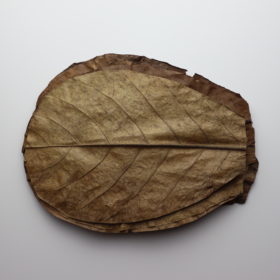 Sea almond leaf
 Aquarium filter
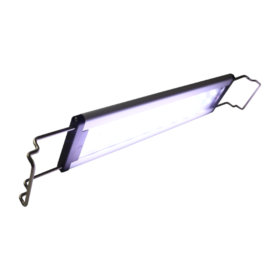 Lighting
 Substrate
 Decoration
 Heating
 Cleaning
 Thermometer
Around 30 million years ago, giant pig-like cloven-hoofed animals roamed the Great Plains of what is now the United States. New analyses of their fossilised teeth now reveal a surprising truth: the largest representatives of this species were omnivores with a particular preference for meat and could crush bones effortlessly – just like today’s large predators.
WASHINGTON/BIRMINGHAM. They are dramatically referred to as ‘hell pigs’, but they were neither pig-like nor demonic in nature: Archaeotherium populated the steppes and river landscapes of North America during the Oligocene epoch (35 to 28 million years ago). These unusual even-toed ungulates, the largest species of which reached the size of a modern cow, fascinate palaeontologists primarily because of their imposing appearance and mysterious diet.
A research team led by Brynn Wooten from Vanderbilt University in Tennessee (USA) has now conducted a new, detailed study of the tooth wear of these prehistoric creatures. The results, which were recently presented at the 2025 annual meeting of the Society of Vertebrate Palaeontology in Birmingham, provide clear evidence of a highly specialised diet among the large species.
The skull of a giant, the brain of a dwarf
The appearance of Archaeotherium can best be described as a bizarre mixture of an African warthog and a powerful, wolf-like predator – with one crucial difference: its skull was massive. Up to 90 centimetres long, its head was gigantic in relation to its body and had a long snout with fearsome canines. Also striking are the bony, strongly protruding cheekbones, on which researchers found traces of combat injuries – an indication of brutal fights during the mating season.
Incidentally, these massive skulls housed surprisingly small brains. Despite their external similarity to pigs, Archaeotherium do not belong to the pig family, but are more closely related to whales and hippos.
Microtraces reveal the diet
Using dental microwear texture analysis—a highly precise method that involves creating 3D scans of tooth surfaces under a high-powered microscope—Wooten and her colleague Larisa DeSantis examined fossils from several US states.
The analysis of tooth wear revealed a clear division in dietary habits based on size:
- Smaller species of Archaeotherium showed wear patterns similar to those of modern peccaries, which mainly root in the ground and prefer softer plant foods.
- However, larger, cow-sized species exhibited a wear profile that was statistically indistinguishable from that of lions and hyenas.
‘It’s really interesting that the large species were able to crack bones,’ co-author Larisa DeSantis commented on the findings. The traces indicate that these animals consumed large amounts of hard food.
Hunting and scavenging like modern predators
Researchers suspect that the largest Archaeotherium occupied an ecological niche in the prehistoric landscape as opportunistic omnivores with a preference for meat. Although they could theoretically consume anything from tubers to woody shoots, their anatomy and dental findings indicate a strong meat-based component.
Earlier findings, including bite marks on the fossils of small camel relatives (Poebrotherium), suggest that they not only ate carrion, but also hunted and even stored parts of their prey as food reserves. However, as the animals’ teeth were not designed for finely cutting meat, they had to use their powerful neck and head muscles to tear pieces from their prey.
Their high capacity for crushing bones could also indicate that they strategically used their enormous body size to compete with smaller, carnivorous predators for the prey they had killed and then consume it completely.
Wooten announced that further research will now focus on analysing calcium isotopes to finally clarify what proportion of the ‘hell pigs’’ diet actually consisted of animal protein.

- ❗️PPWR: No deliveries to the EU or Switzerland for the time being ❌ - 17. August 2026
- Rare sighting in the north: a beluga whale appears to be swimming in the Flensburg Fjord - 14. April 2026
- Palaeontology: Horned dinosaurs were there, but misidentified - 9. January 2026
