



 Triops Longicaudatus
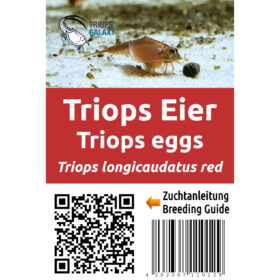 Triops Longicaudatus Red
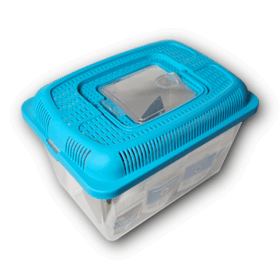 Triops Longicaudatus
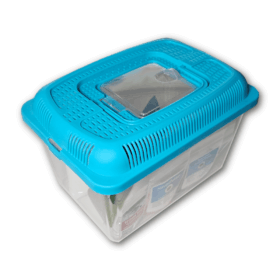 Triops Longicaudatus Red
 Triops food
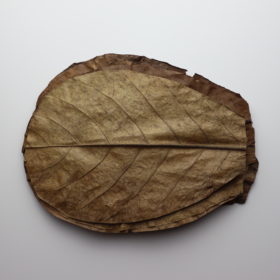 Sea almond leaf
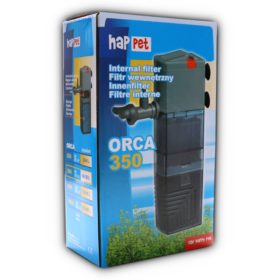 Aquarium filter
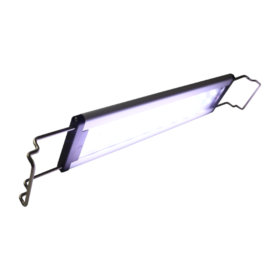 Lighting
 Substrate
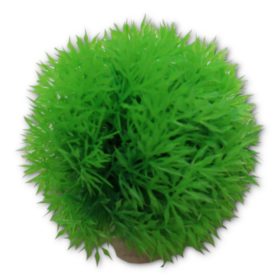 Decoration
 Heating
 Cleaning
 Thermometer
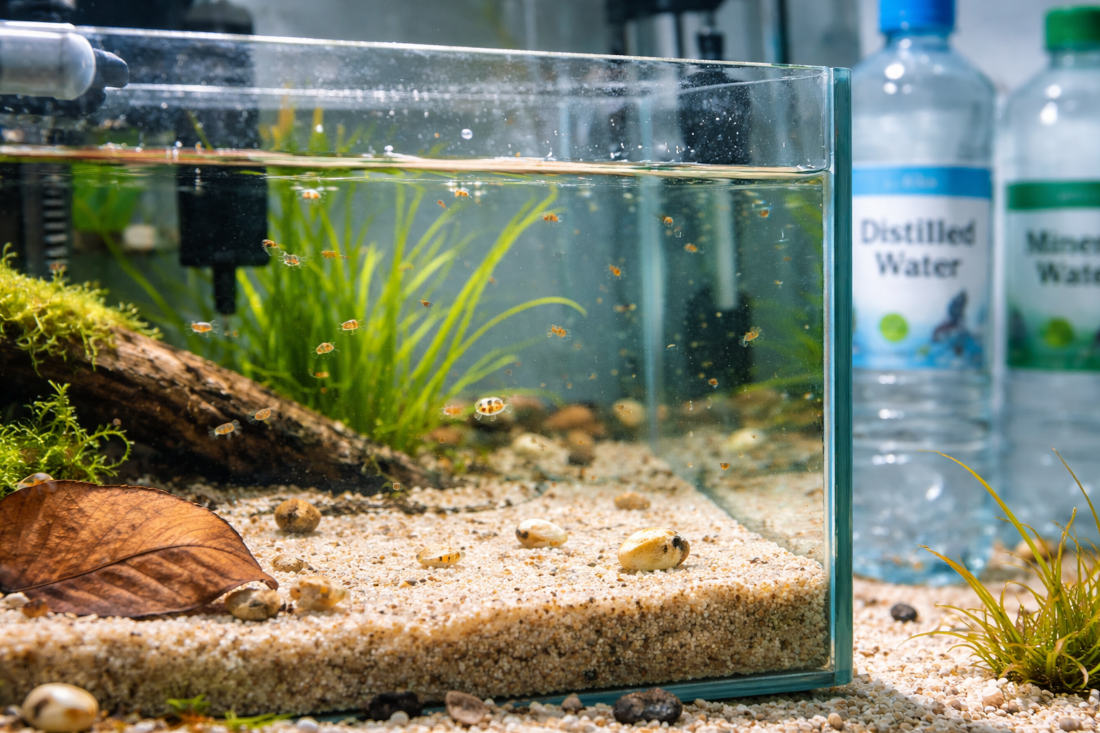
Whether you are breeding triops for the first time or are already an experienced breeder, hardly any other factor influences the success of triops breeding as much as the water used. Many beginners underestimate this point and, out of convenience or ignorance, resort to unsuitable water sources. The result is often disappointing: no hatched nauplii or fragile young animals that do not survive the first few days. However, choosing the right water is neither complicated nor mysterious; it simply requires a basic understanding. In this blog article, I explain which water is best suited for breeding triops.
Why water is so important in triops breeding
Triops are extremely sensitive to their environment, especially in the early stages of development. Even the slightest differences in hardness, mineral content or pollution can determine whether the eggs hatch successfully. Water is not just a carrier medium, but also has a decisive influence on the chemical and biological conditions under which the nauplii develop. Those who prioritise safety from the outset significantly increase the hatching rate and avoid unnecessary losses.
A safe start: water for beginners
A simple, reliable solution has proven itself for beginners. A mixture of approximately seventy percent distilled water and thirty percent still mineral water provides optimal conditions for hatching. Distilled water is virtually free of minerals, ions and impurities, making it very soft – an advantage for the sensitive Triops eggs. However, pure distilled water would be hostile to life as it contains no nutrients whatsoever.
This is where still mineral water comes in. It provides the necessary minerals and trace elements without making the water too hard. Expensive branded water is not necessary; inexpensive still mineral water from the supermarket serves the same purpose. This combination ensures stable conditions and is ideal for achieving initial breeding success without taking unnecessary risks.
Advanced breeding: Targeted use of natural water sources
With growing experience, greater scope opens up. Advanced breeders occasionally resort to river, lake or rainwater. These types of water often contain a variety of natural microorganisms, suspended algae and nutrients that can benefit the nauplii. At the same time, however, they also harbour risks. Excessive organic pollution can cause the water to turn sour and lead to disease or mass mortality.
Anyone experimenting with natural water should therefore proceed with caution. Simple filtration through a coffee filter can remove coarse particles. There is also a risk of introducing unwanted cohabitants such as insect larvae or snails. While individual snails can be useful, they quickly become a nuisance. Observation and experience are required here to find a balance.
In the first few days after hatching, the nauplii need one thing above all else: peace and quiet. Changing the water in the first week should be avoided at all costs. From the second week onwards, fresh water can be added gradually, ideally in small amounts every two days. After about two weeks, a weekly partial water change of no more than thirty per cent has proven effective in keeping the water quality stable in the long term.
Tap water: Only suitable with restrictions
Tap water is problematic for breeding triops. It can be contaminated with heavy metals such as copper from old pipes, which is fatal to these prehistoric crustaceans. Only when the animals are older and more robust, after about two weeks, and the water quality is known to be safe, can tap water be used with caution. However, it is not a good choice for the actual breeding phase.
Osmosis water as a supplement
Osmosis water is produced by reverse osmosis and is highly demineralised. Similar to distilled water, it is not suitable for breeding triops on its own, but can be used to soften existing aquarium water. In combination with mineral-rich water, this allows water values to be adjusted very precisely.
In addition to the water source, the chemical parameters play a decisive role. The pH value is particularly relevant for triops. While extremely acidic or strongly alkaline values are hostile to life, triops are surprisingly tolerant. The ideal pH range is between six and seven, but values from about 4.5 to 8.5 are tolerated. Within this spectrum, the animals feel comfortable and develop steadily.
Nitrogen compounds also deserve attention. Nitrate is relatively harmless as the end product of the nitrogen cycle, but in high concentrations it can promote algae growth. Nitrite is more critical, as it is highly toxic to triops. In newly set up tanks, a nitrite peak may occur, which is not a problem without stocking. However, once nauplii are in the tank, nitrite must be avoided at all costs to prevent poisoning and losses.
The right water for successful breeding – Conclusion
The choice of water is not a minor detail, but rather the foundation of any successful triops breeding programme. Beginners are safest with a mixture of distilled water and still mineral water, which creates optimal starting conditions. Advanced breeders can experiment with natural water sources, but should proceed with caution. Regularly checking water values, timing water changes correctly and avoiding problematic sources lays the foundation for healthy nauplii and long-term breeding success.

- ❗️PPWR: No deliveries to the EU or Switzerland for the time being ❌ - 17. August 2026
- Rare sighting in the north: a beluga whale appears to be swimming in the Flensburg Fjord - 14. April 2026
- Palaeontology: Horned dinosaurs were there, but misidentified - 9. January 2026
