



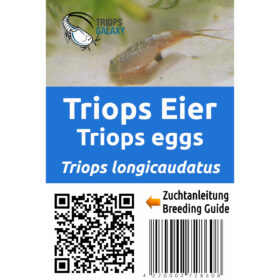
 Triops Longicaudatus
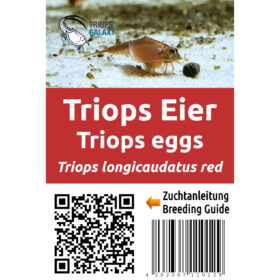 Triops Longicaudatus Red
 Triops Longicaudatus
 Triops Longicaudatus Red
 Triops food
 Sea almond leaf
 Aquarium filter
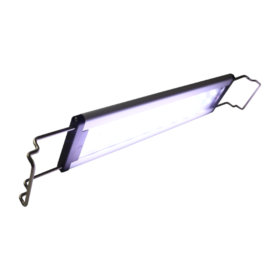 Lighting
 Substrate
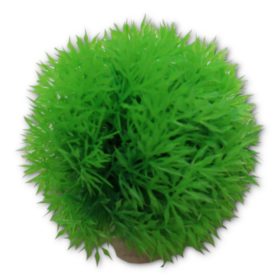 Decoration
 Heating
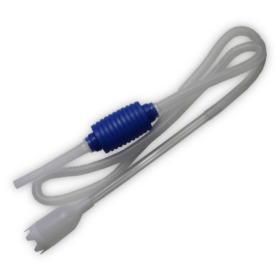 Cleaning
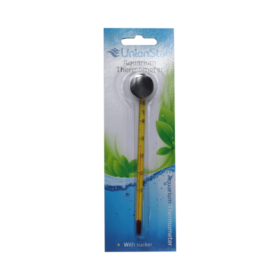 Thermometer
Guide
The flying jewel in the garden pond: the fascinating world of butterfly koi
In the world of ornamental ponds, there is hardly any creature that exudes as much elegance and grace as the butterfly koi. While the classic nishikigoi is often prized for its powerful stature and historical breeding lines, the butterfly koi breaks with traditional expectations. With its long, veil-like fins that look like the finest silk with every movement in the water, it is more reminiscent of a mysterious water dragon than an ordinary carp. In this blog article, we delve deep into the history, characteristics, and care of these fascinating creatures.
The origin of a floating legend
The history of the Butterfly Koi is relatively young compared to the centuries-old tradition of Japanese koi breeding, but no less exciting. It all began in the 1980s when breeders in New York came across a group of Indonesian wild carp. These fish were grey and inconspicuous, but they had one unusual feature: extremely long fins. The initial reaction of experts was sceptical, as these animals bore little visual resemblance to the highly prized Japanese koi.
However, a courageous team of breeders recognised the potential and began to cross these long-finned wild carp with the colourful, traditional Nishikigoi. The aim was to combine the robustness and fin shape of the Indonesian fish with the brilliance and variety of Japanese colours. The result was a sensation, which initially became known in the USA as ‘Butterfly Koi’ – in reference to the butterfly wings. Interestingly, this new form also found favour in Japan, where it is known as “Hirenaga”, which simply means ‘long fins’.
Aesthetics and anatomy: what distinguishes the butterfly koi
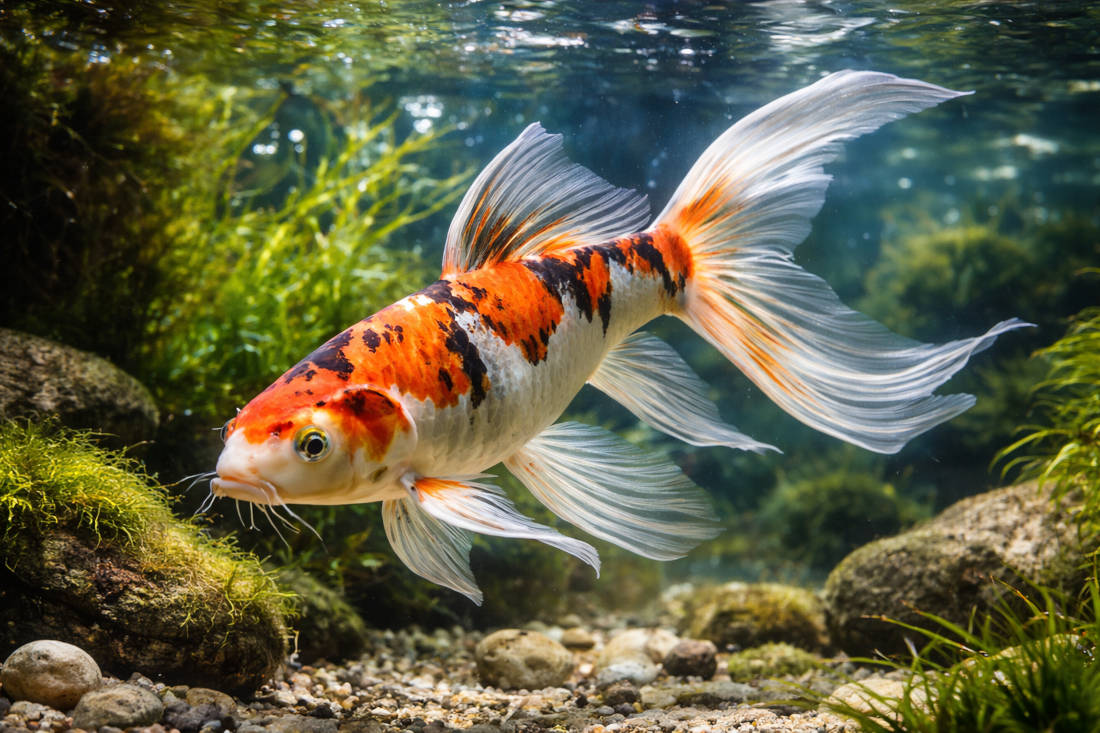
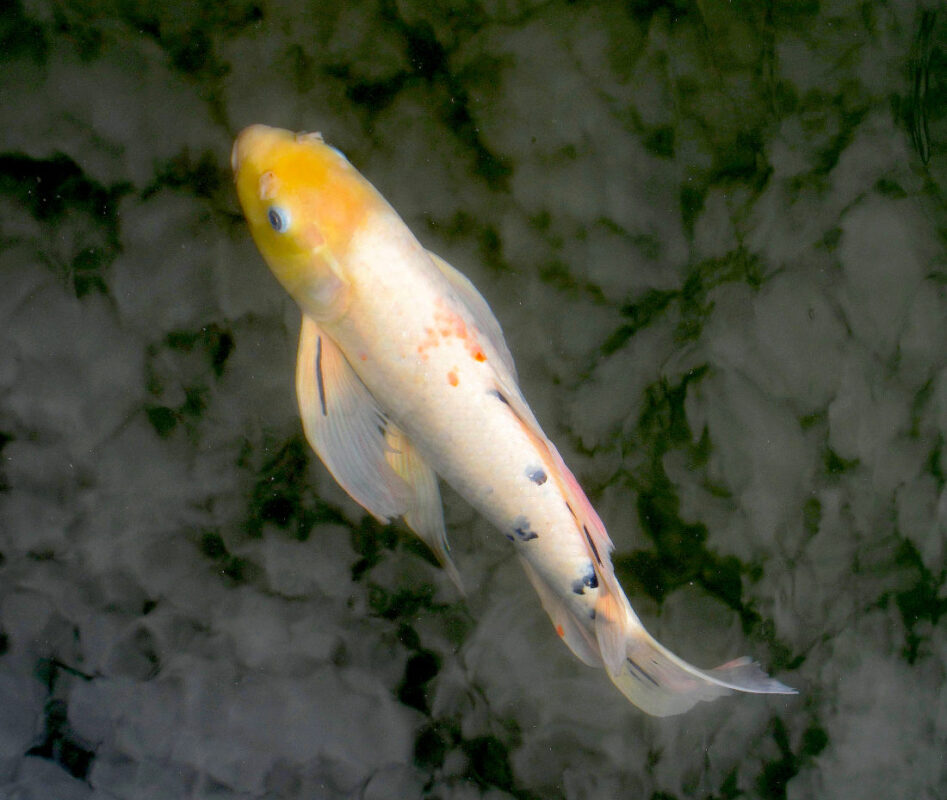
The most striking feature of the butterfly koi is undoubtedly its fins. Unlike standard koi, the fins of a butterfly koi continue to grow throughout its life until they eventually almost double the proportions of the body. The pectoral fins resemble wide fans, while the caudal fin is often deeply forked and trails behind the fish like a long train. Even the dorsal and ventral fins exhibit this characteristic elongation.
Another fascinating aspect is the development of the barbels. In butterfly koi, these sensory organs at the corners of the mouth can also grow to a considerable length and sometimes even branch out, giving the fish an almost mythical, dragon-like appearance. In terms of colour patterns, there is now little difference between butterfly koi and classic koi. Everything is represented, from deep Kohaku red to radiant Ogoni gold to the metallic sheen of the Ginrin variants. However, single-colour specimens in white or platinum are particularly popular, as they best showcase the structure and movement of the long veil fins.
The posture: sophisticated elegance in the water
Anyone who decides to keep butterfly koi should be aware that these fish have special requirements when it comes to their habitat. Although they are often genetically more robust and less susceptible to disease than some highly bred Japanese champion lines, their magnificent fins are also their greatest weakness. In a pond for butterfly koi, meticulous care must be taken to ensure that there are no sharp edges, rough stones or dense roots. A small tear in the delicate fin skin can quickly become inflamed or lead to unsightly adhesions.
In addition, due to their sweeping movements, these fish need more space to manoeuvre than one might initially assume. A deep tank with a powerful filter system is essential, as koi have a fast metabolism and water quality correlates directly with fin health. Clean, oxygen-rich water ensures that the fin rays remain strong and the skin retains its natural shine. The current in the pond should also be moderate; a pump that is too powerful could force the fish to swim constantly against the current, which can lead to exhaustion due to the large surface area of their fins.
Diet and social behaviour: The gentle giants
Butterfly koi are essentially no different from their short-finned relatives. They are extremely sociable and are often considered to be even tamer and more curious. Many owners report that butterfly koi gain confidence more quickly and will even take food directly from their hands. However, caution is advised when feeding them. As their long fins make them somewhat slower and less agile than standard koi, they can sometimes lose out when feeding in a mixed group.
It is therefore advisable to choose a high-quality, easily digestible food that is tailored to the needs of koi. Ingredients such as spirulina and carotenoids are particularly helpful in maintaining colour, while vitamins strengthen the immune system. As butterfly koi tend to grow very large – often reaching lengths of over 80 centimetres – the amount of food must be adjusted over the years. Healthy growth is important to maintain the harmonious proportions between the body and fins. Growth that is too rapid due to overfeeding can lead to skeletal deformities, which are particularly unsightly in the long fins.
The controversy: tradition versus modernity
It is no secret that butterfly koi have long been controversial in the world of purists. Many traditional Japanese judges initially regarded the long-finned varieties as ‘bastards’ or inferior breeds because they did not meet the strict criteria of the Nishikigoi standard. In Japan, they were long regarded as pets for the mass market rather than collector’s items for the elite.
But this image has changed. The fascination with their flowing movements and unique aesthetics has led even renowned Japanese breeders to start producing butterfly koi of the highest quality. Today, there are special competitions and categories for Hirenaga koi. Acceptance has grown as people have recognised that beauty is subjective and that diversity only enriches koi breeding. Butterfly koi have carved out their own niche, where it is less about the perfect symmetry of a pattern and more about the dynamism and presence of the fish in the water.
A gem for the patient enthusiast – Conclusion
The butterfly koi is much more than just a fish with long fins. It is a symbol of the successful combination of natural robustness and breeding elegance. Those who are willing to adapt their pond to the special needs of these animals will be rewarded with a sight that is almost meditative. When a large platinum butterfly koi glides majestically through the clear water, its fins trailing behind it like rays of light, you immediately understand why these animals have found so many fans worldwide.
They require attention, care and an eye for detail, but in return they give their owner a living beauty that becomes more and more impressive with each passing year. Whether as the crowning glory in an existing koi pond or as the sole star of a modern water feature, the butterfly koi remains the undisputed artist among pond dwellers.

- The flying jewel in the garden pond: the fascinating world of butterfly koi - 28. December 2025
- The Mesozoic Era: The age of dinosaurs and major upheavals on Earth - 27. December 2025
- The right water for triops: the key to successful breeding - 26. December 2025
