



 Triops Longicaudatus
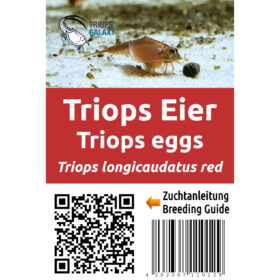 Triops Longicaudatus Red
 Triops Longicaudatus
 Triops Longicaudatus Red
 Triops food
 Sea almond leaf
 Aquarium filter
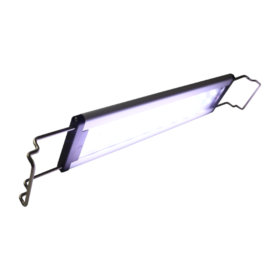 Lighting
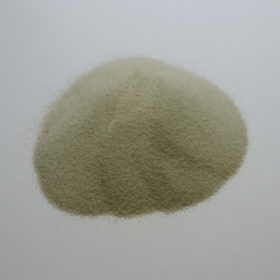 Substrate
 Decoration
 Heating
 Cleaning
 Thermometer
News
From prehistoric hotspot to World Heritage Site: how citizens saved the Messel Pit from becoming a rubbish tip
9 December 2025 marks the 30th anniversary of the Messel Pit’s inclusion in the UNESCO World Natural Heritage List. The celebrations mark not only a scientific milestone, but also the triumph of a citizens’ initiative that saved a 48-million-year-old window into the Earth’s history from ultimate destruction.
The Messel Pit, Germany’s first and to date only World Natural Heritage Site in this category, is a place of extremes. It was born in the fire of a volcanic event and narrowly escaped the fate of disappearing into a mountain of modern rubbish. Its history is an impressive reminder of how fragile even the greatest scientific treasures can be.
A glimpse into the lost world
Around 48 million years ago, during the Eocene epoch, hot magma encountered underground water and caused a massive explosion. The deep crater that was created in Hesse filled with water and became a unique lake. Crucially for science, fallen plants and animals did not rot at the oxygen-free bottom of this lake, but were preserved by the finest oil shale – an unprecedented geological stroke of luck.
The result is one of the most detailed snapshots of a primeval ecosystem available to humankind. The fossils from Messel not only show complete skeletons of mammals, birds and reptiles, but also reveal structures that are usually lost: delicate fur structures, the magnificent plumage of prehistoric birds, the iridescent colours of primeval insects and even the last stomach contents of their owners.
‘The Messel Pit is a time capsule that gives us insights into a lost world that hardly any other site on Earth can match,’ explains Prof. Dr Torsten Wappler, head of the Natural History Department at the Hessian State Museum in Darmstadt (HLMD) and responsible for the annual excavations.
Saved from the rubbish tip
However, the existence of this unique treasure was under serious threat in the recent past. Although spectacular fossil finds had been made since 1875, the pit was facing closure after oil shale mining ended in the early 1970s: it was to serve as a huge landfill site for the entire Rhine-Main region.
What followed was a decade of civil disobedience and legal resistance. A determined citizens’ initiative from the municipality of Messel and the surrounding area fought the landfill plans in court for over ten years. Their efforts were the decisive turning point.
‘Without the courage and perseverance of these people, the Messel Pit would no longer exist today,’ emphasises Dr Martin Faass, director of the State Museum, on the occasion of the upcoming anniversary. ‘Their commitment shows that the protection of our natural and cultural heritage can also come from committed citizens and how easily irreplaceable history can be lost.’
This persistent struggle ultimately paved the way for international recognition. On 9 December 1995, the Messel Pit was added to the UNESCO World Natural Heritage List in recognition of its outstanding universal significance.
From major discoveries to the ecosystem
Scientific research into the pit began as early as 1966/67 by the HLMD, which has been conducting excavations and expanding the collection ever since. Research has changed over the decades.
While the initial focus was primarily on large, spectacular vertebrates such as primitive horses and giant snakes, scientists today place greater emphasis on understanding the ecosystem of that time as a whole. This includes the meticulous examination of the many small insects and their interaction with plants – because only by looking at all life forms together can we obtain a complete picture of a world that is 48 million years old.

- Palaeontology: Horned dinosaurs were there, but misidentified - 9. January 2026
- High tech for a prehistoric animal: new tusks for the Darmstadt mastodon - 8. January 2026
- All the best for the new year 2026! ☃️ 🎉 - 30. December 2025
