



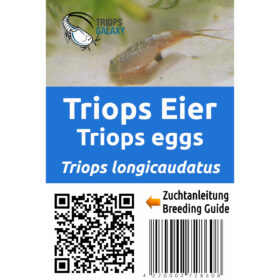
 Triops Longicaudatus
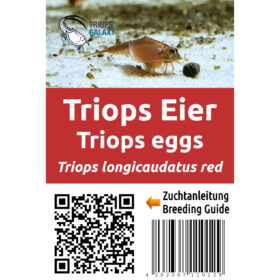 Triops Longicaudatus Red
 Triops Longicaudatus
 Triops Longicaudatus Red
 Triops food
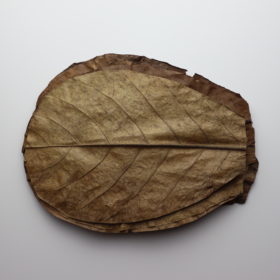 Sea almond leaf
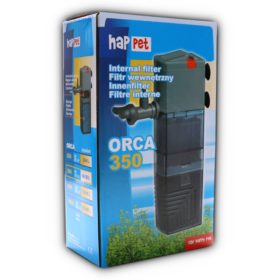 Aquarium filter
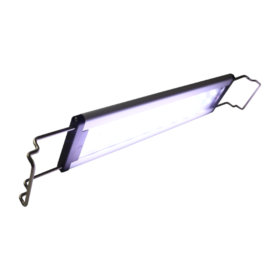 Lighting
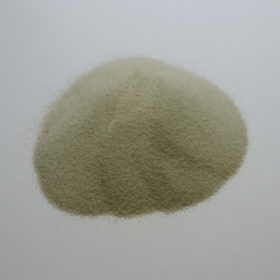 Substrate
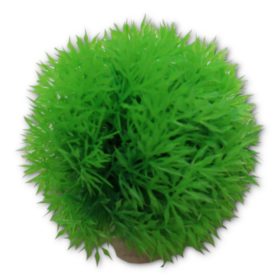 Decoration
 Heating
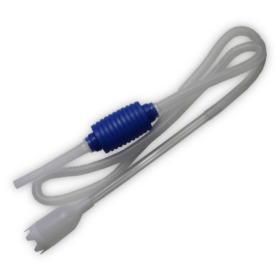 Cleaning
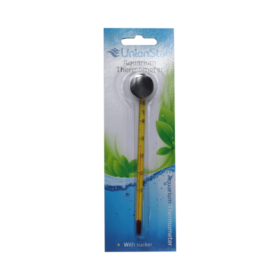 Thermometer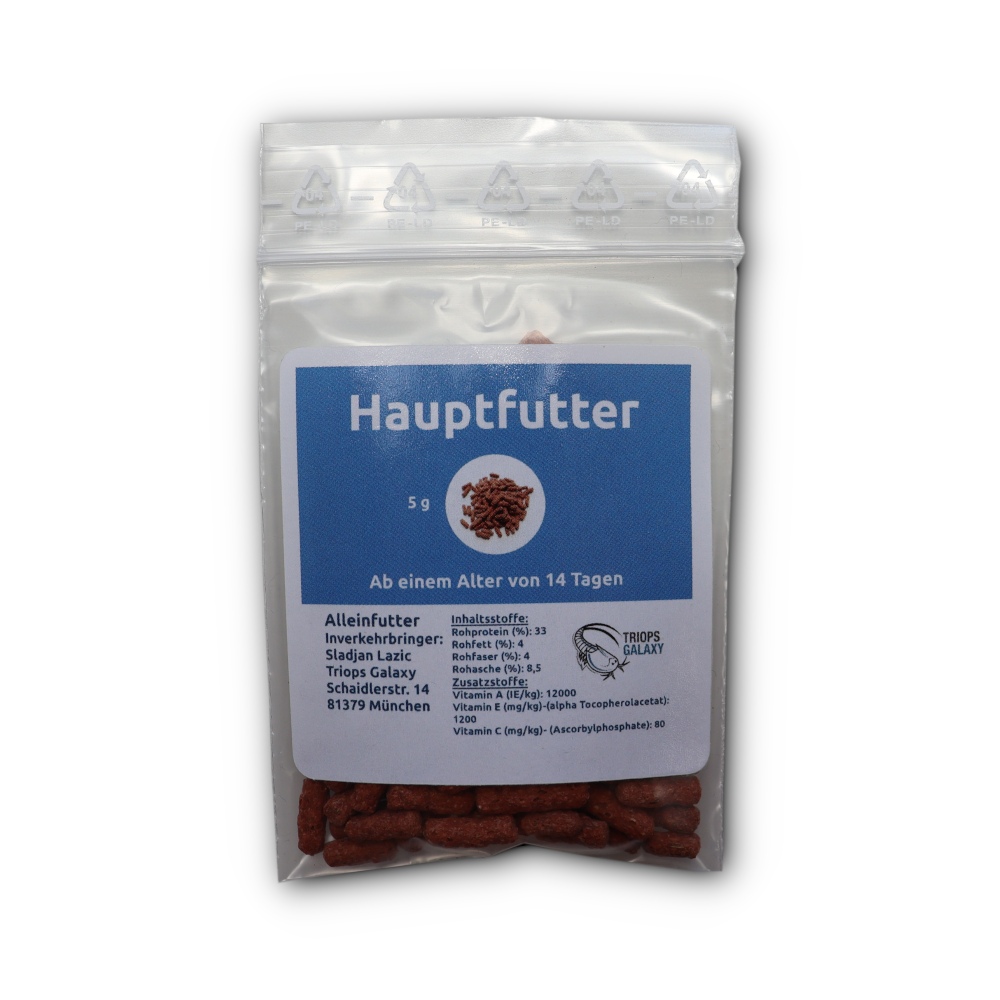
Triops are omnivores and extremely adaptable when it comes to their diet. They spend most of the day burrowing through the substrate, consuming organic matter and filtering the finest particles from the water. In addition to plant matter and microorganisms, they also consume animal matter – even cannibalism is part of their natural behaviour. Particularly when food is scarce or there are significant size differences within the group, smaller or weaker individuals may be eaten. This behaviour is a natural survival mechanism and not an unusual phenomenon.
Due to their rapid growth, Triops have a very active metabolism. In home breeding, the natural food supply in the water is therefore insufficient, which is why targeted feeding by the breeder is essential. The correct approach is particularly important in the first few days of life, as the animals are especially sensitive during this phase.
Newly hatched triops do not yet have fully developed mouthparts and cannot consume solid food. Initially, they feed on their yolk sac, as well as on bacteria, microorganisms and dissolved nutrients in the water. For this reason, a suitable water base is important to provide the animals with optimal conditions right from the start.
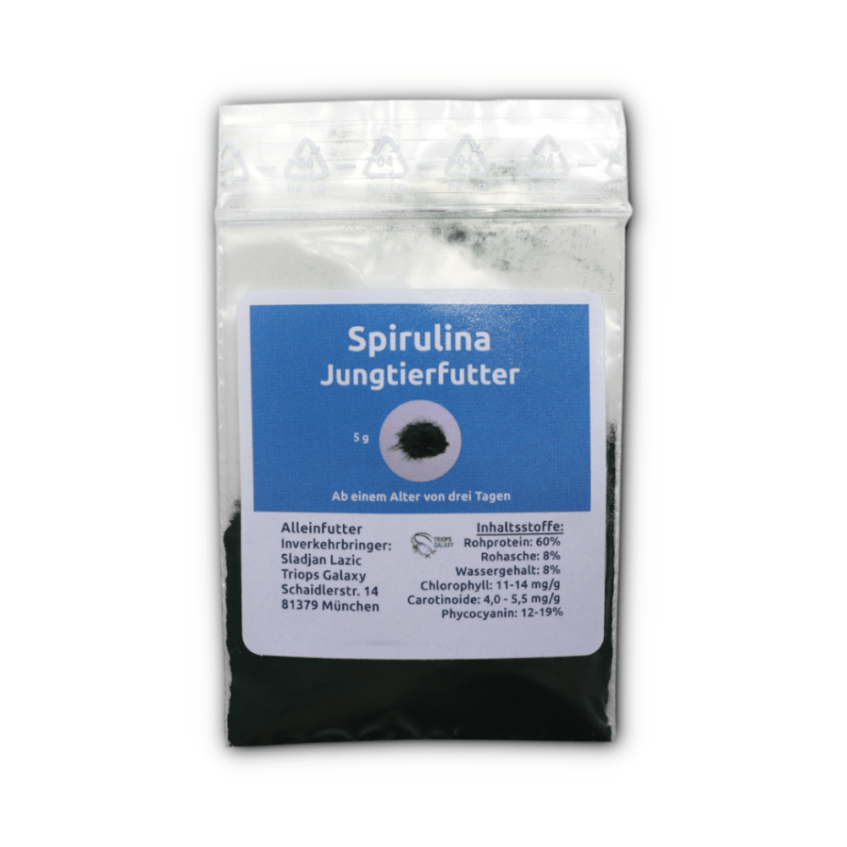
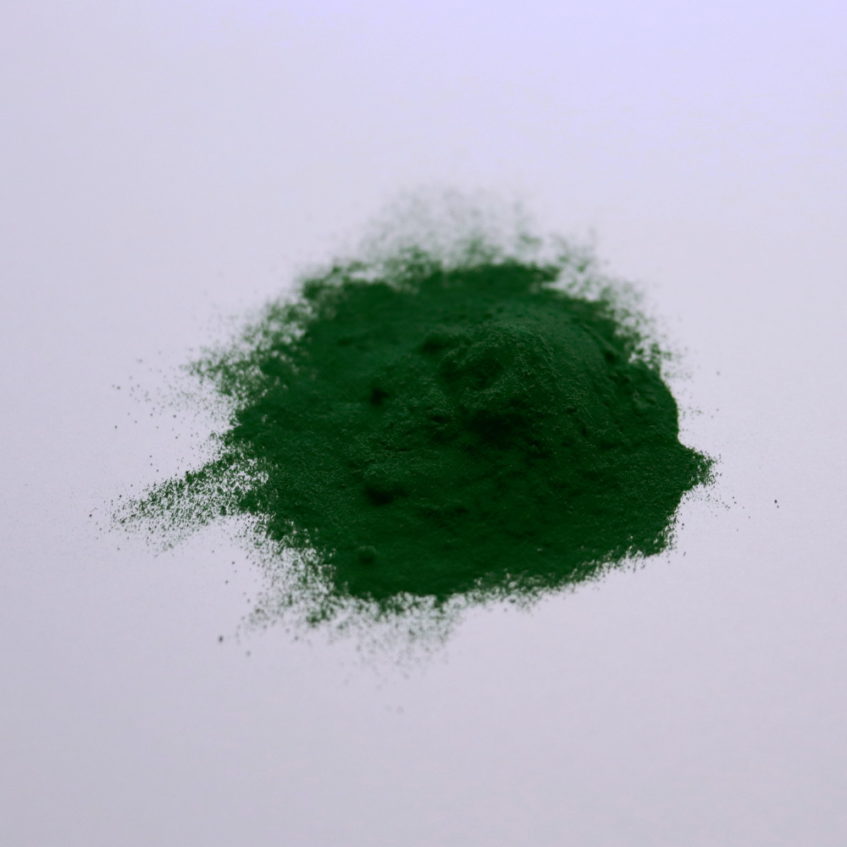
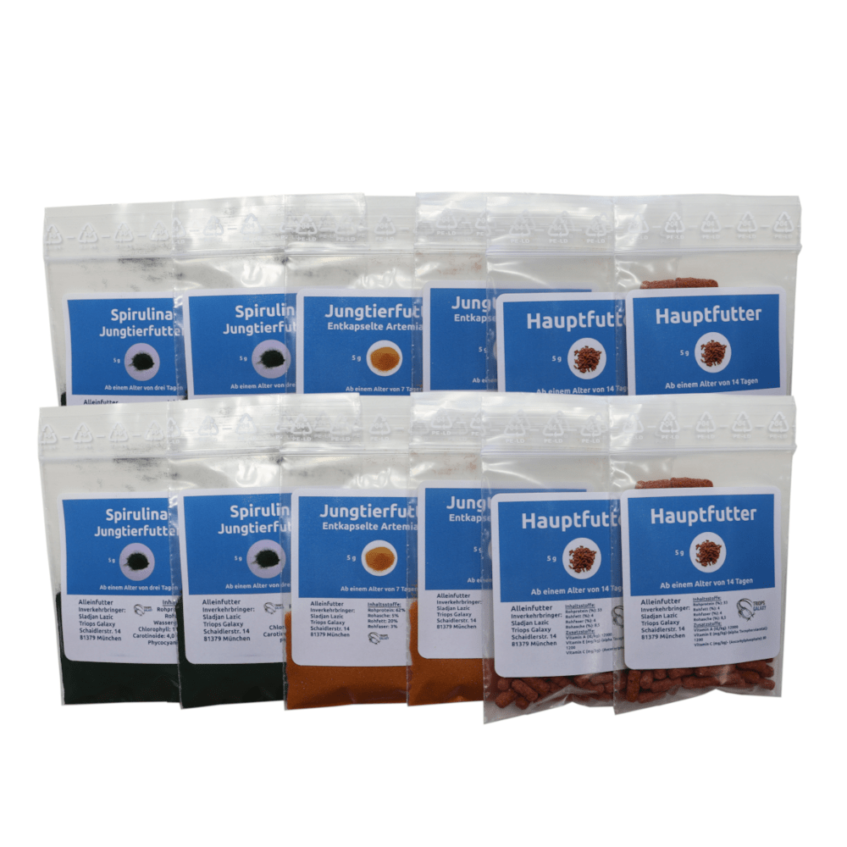
Active feeding begins around 48 hours after hatching. A very small amount is crucial here: a pinch of spirulina powder as food for young animals is perfectly sufficient. This fine algae powder is easily digestible and ideally suited to the needs of young triops. Overfeeding should be avoided at all costs, as excess food can quickly deteriorate water quality and endanger the sensitive animals.
High quality food sticks for healthy Triops
After feeding the triops spirulina or chlorella algae powder for around four days, an important transitional phase in their development begins. At this stage, the fine powder alone is no longer sufficient to meet the animals’ increasing nutritional requirements. At the same time, standard solid food is still too coarse and cannot be optimally consumed by the young triops. Switching to food sticks or pellets too early would therefore be more likely to cause problems than to improve their nutrition.
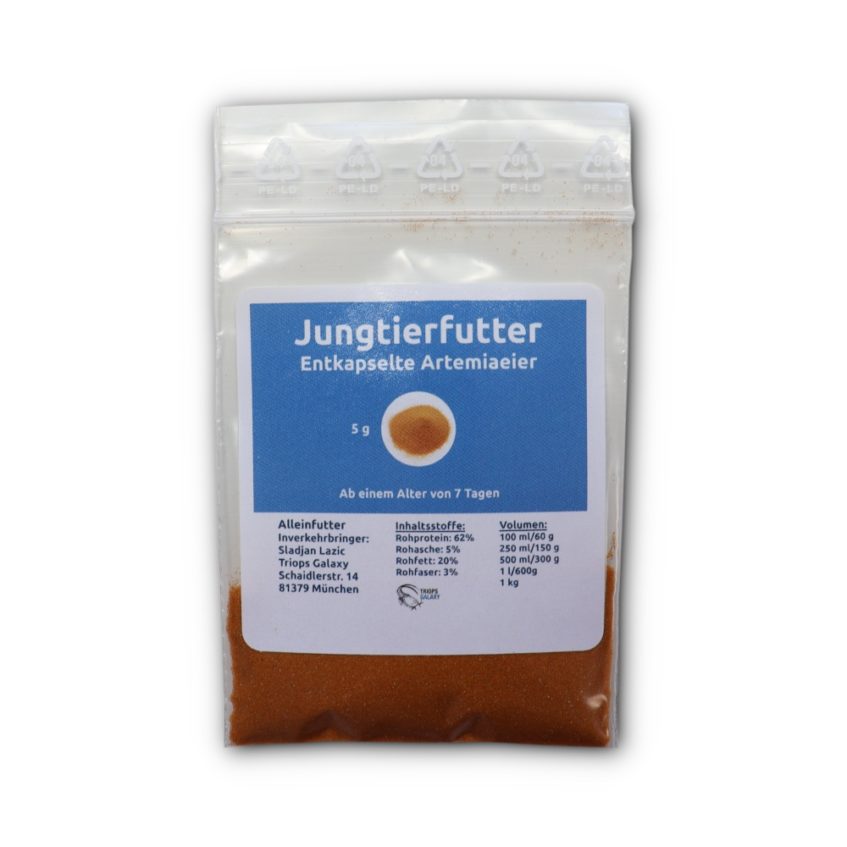
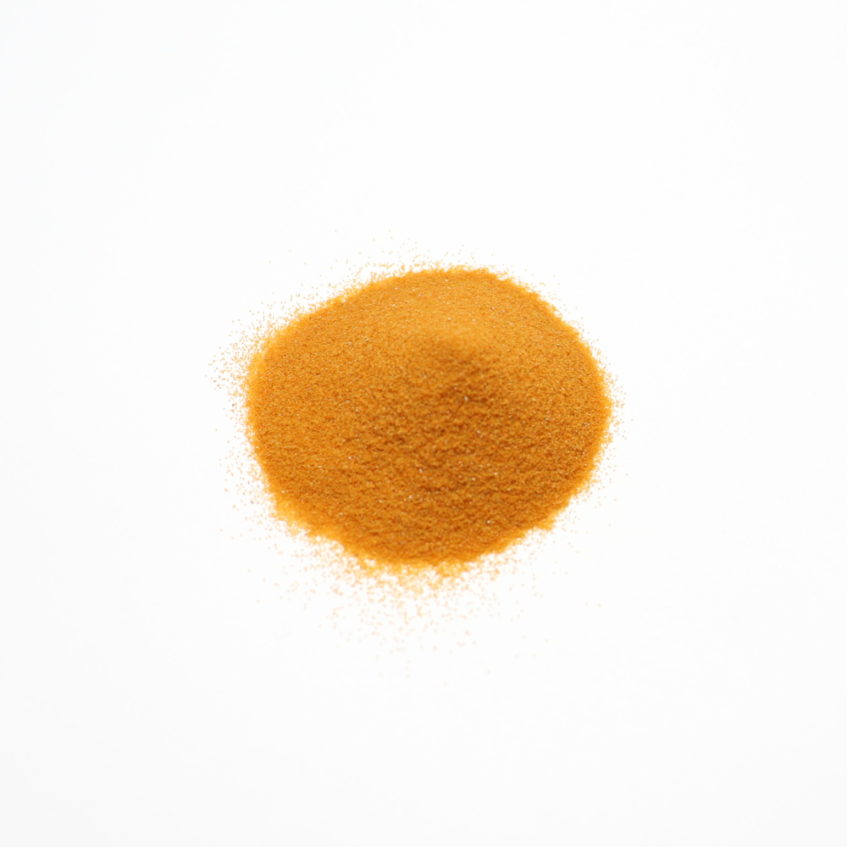
To bridge this gap effectively whilst preventing cannibalism, it is recommended to feed decapsulated Artemia eggs for a period of around ten days. They represent the ideal interim solution: small enough for the young animals, yet significantly richer in nutrients than pure algae powder. Thanks to their high content of proteins, vitamins and essential fatty acids, they support steady growth and boost the vitality of the triops during this sensitive phase.
During this transitional period, the animals continue to develop; their mouthparts become stronger and they are increasingly able to consume larger food particles. It is only after around 10 to 14 days that the right time has come to gradually switch to solid staple food.
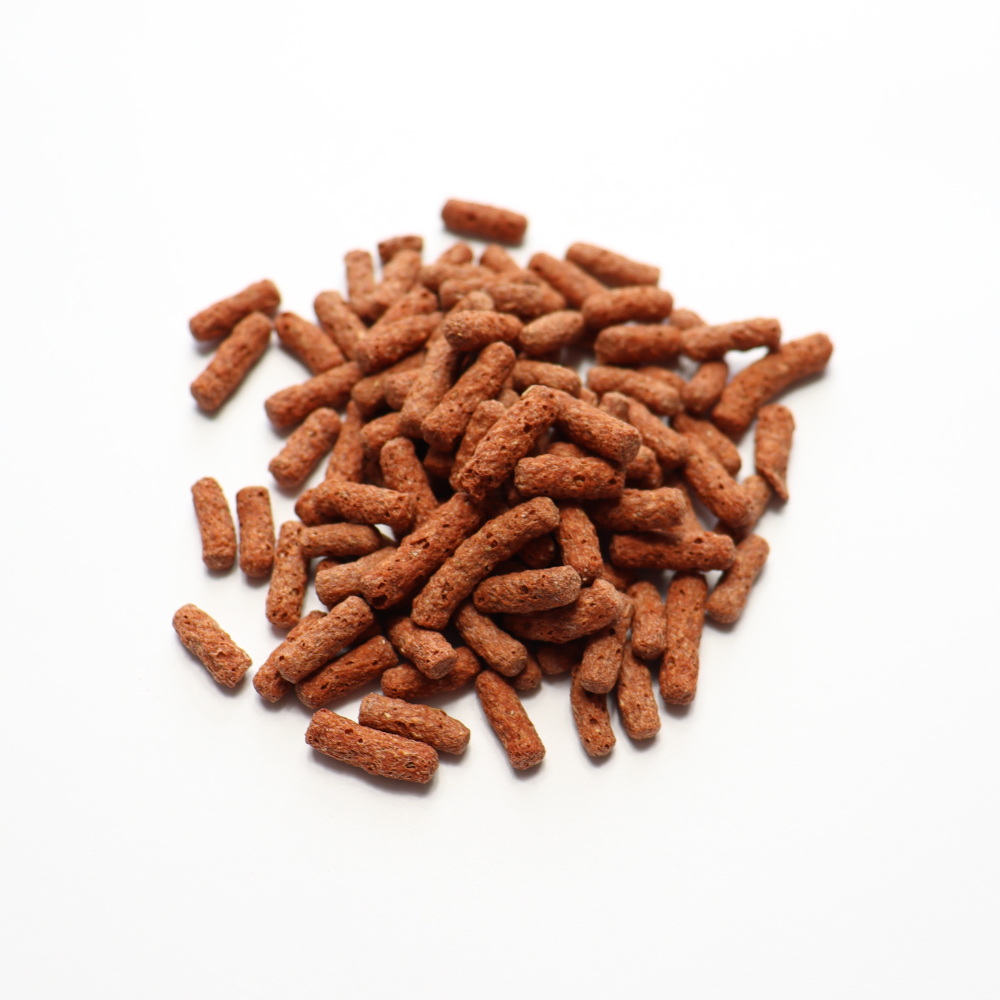
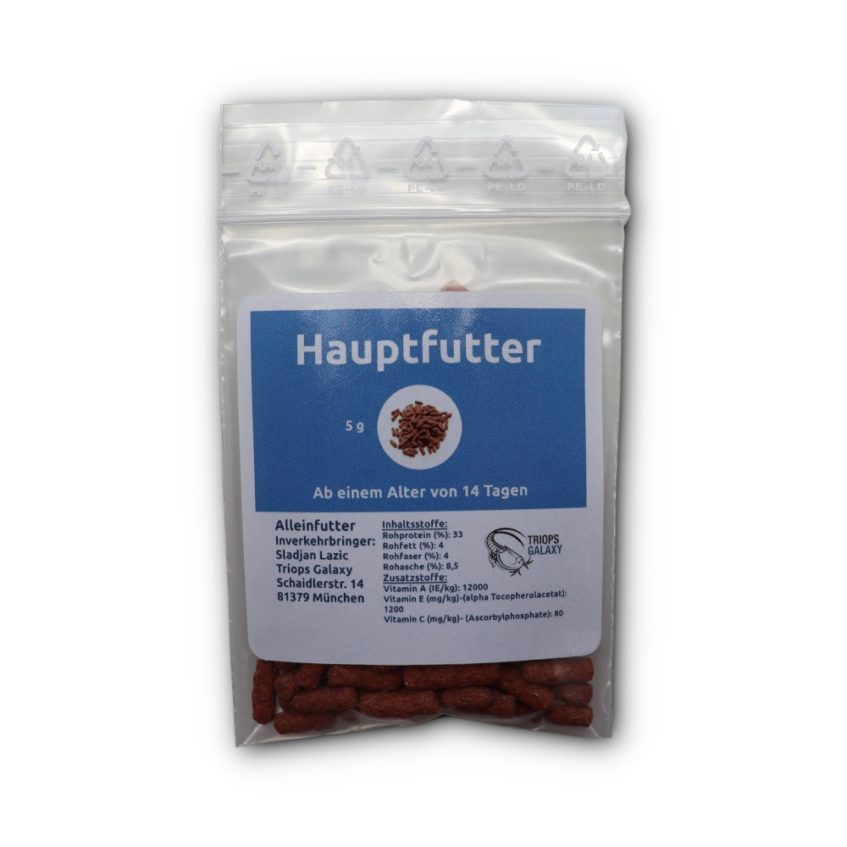
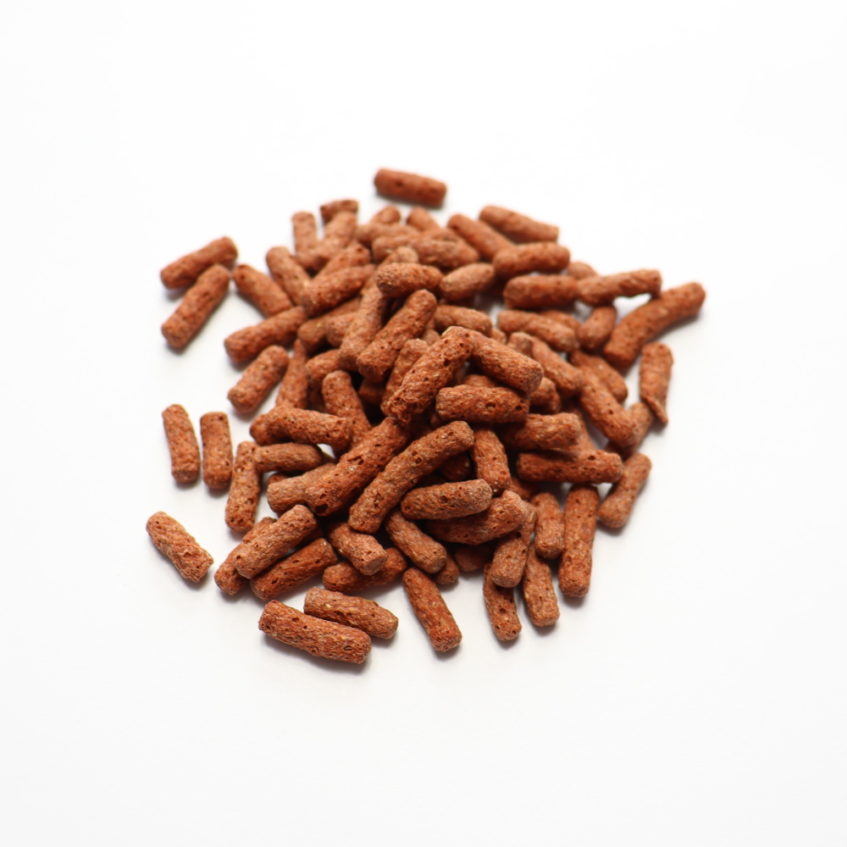
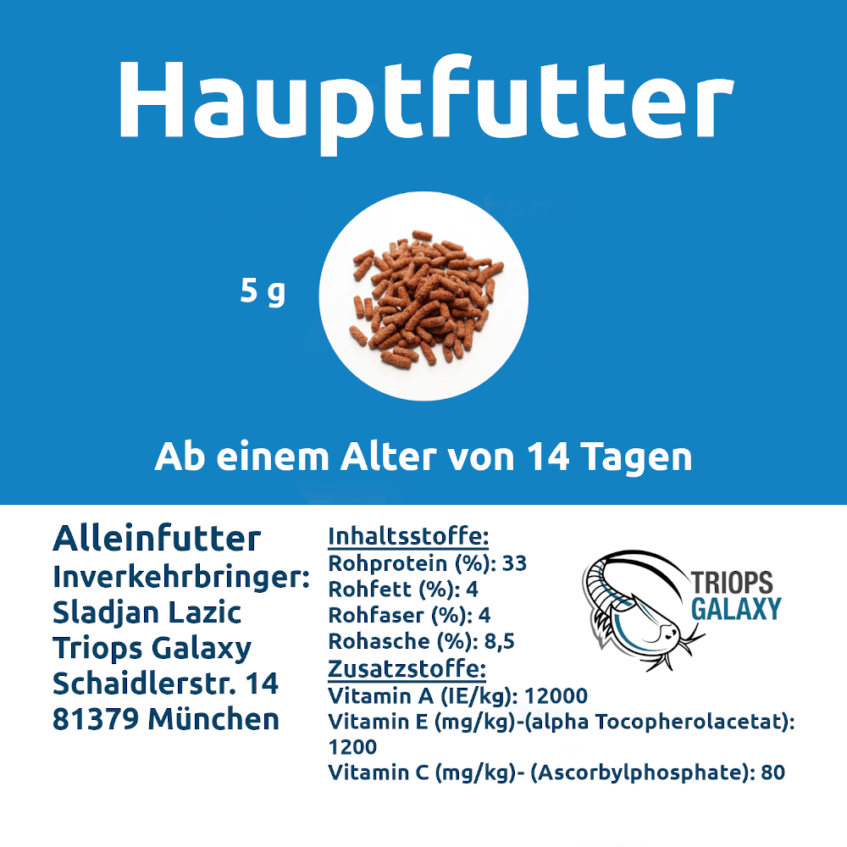
This is where our floating food sticks come into play. They have been specially developed for a species-appropriate diet for Triops and contain a balanced combination of natural ingredients. Thanks to their floating properties, they remain easily accessible and allow for natural feeding behaviour at the water’s surface and in open water.
The food sticks are rich in fibre, vitamins and essential trace elements that support the animals’ growth, moulting and general well-being. At the same time, when fed in the correct quantities, they help maintain stable water quality and prevent unnecessary stress on the aquarium.
With our high-quality floating food sticks, you lay the foundation for strong, healthy triops and provide optimal care for the animals right through to adulthood.
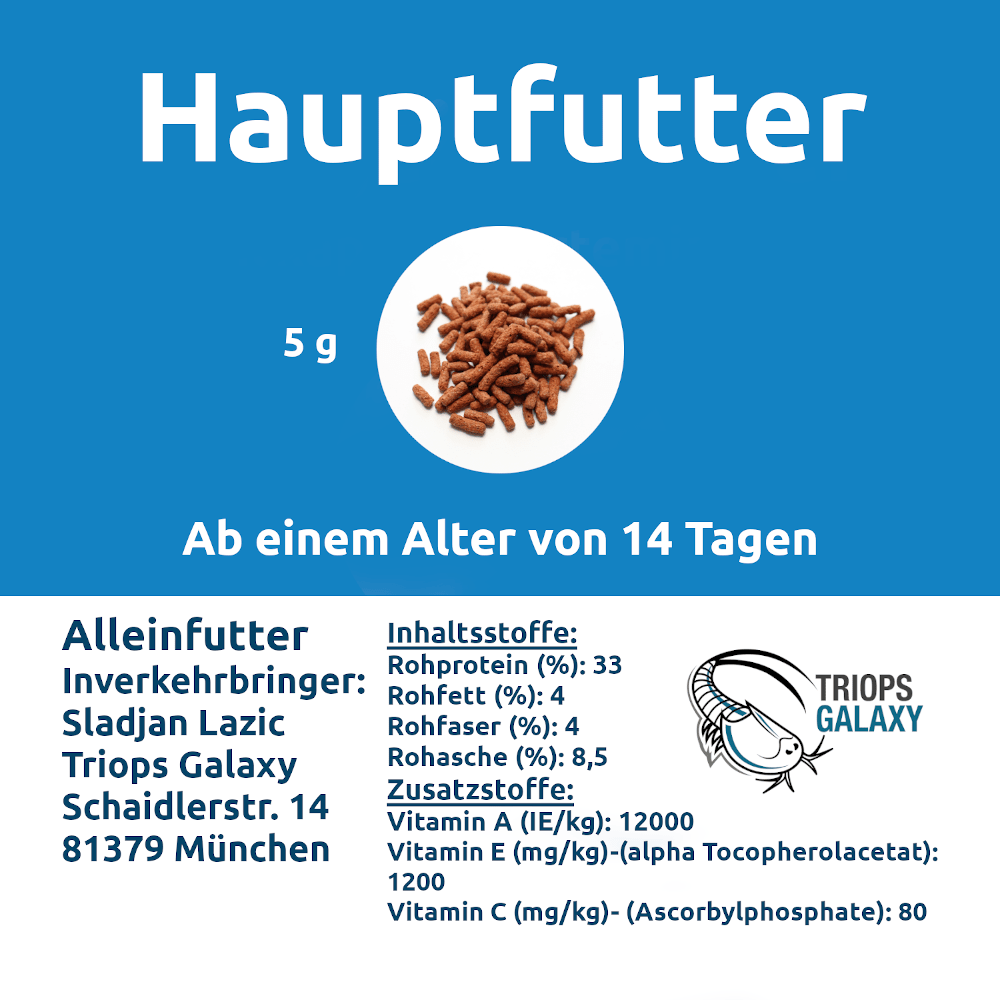
Ingredients:
Crude protein: 33%
Crude ash: 8.5%
Crude fat: 4%
Crude fibre: 4%
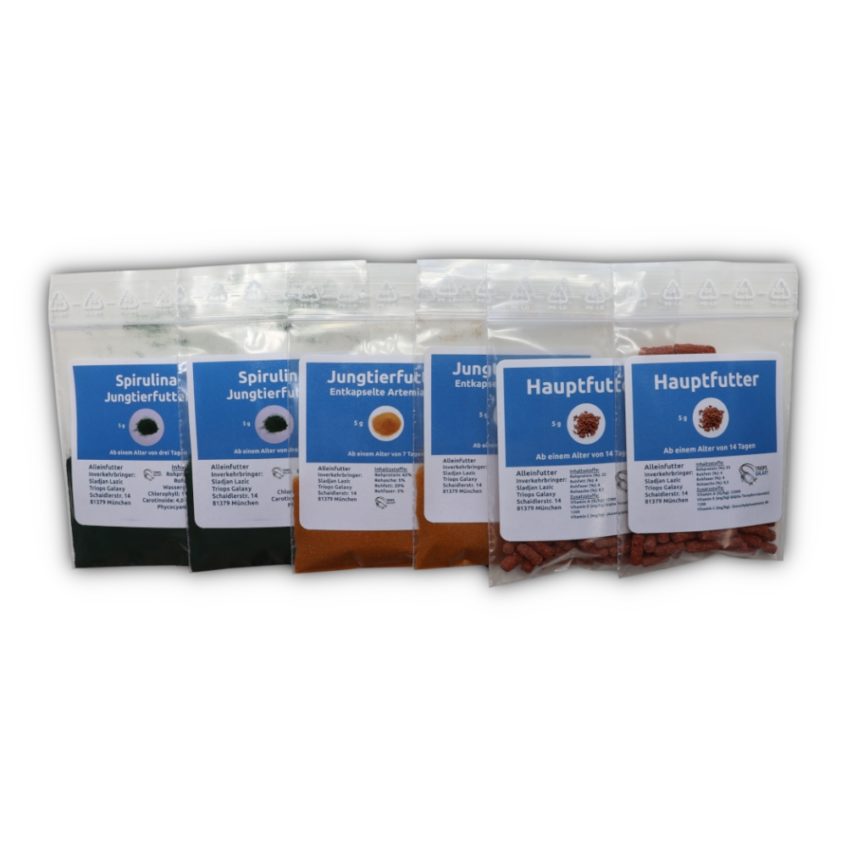
Scope of delivery:
- 1 x sachet of staple food
Complete feed for primeval crayfish
Distributor: Sladjan Lazic, Schaidlerstr. 14, 81379 Munich, Germany
Reviews
There are no reviews yet.