



 Triops Longicaudatus
 Triops Longicaudatus Red
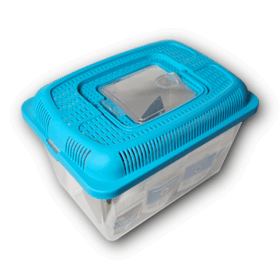 Triops Longicaudatus
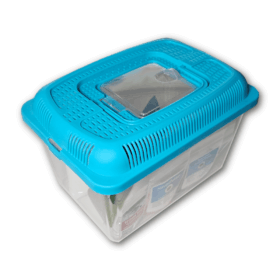 Triops Longicaudatus Red
 Triops food
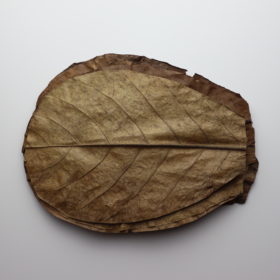 Sea almond leaf
 Aquarium filter
 Lighting
 Substrate
 Decoration
 Heating
 Cleaning
 Thermometer
Guide
Where do triops come from? The incredible journey of a living fossil
Have you ever wondered what it would be like to observe a prehistoric animal in your own aquarium? If you keep triops or are simply interested in these small crustaceans, you are what you might call a friend of living fossils. The triops, often referred to as a prehistoric crab, is much more than just an unusual pet. It is a living fossil whose origins go deeper into Earth’s history than you might think. The simple answer to the question ‘Where do triops come from?’ is: from the time of the dinosaurs. But the full story is so much more complex and amazing that we have to delve deep into palaeontology to understand it. In this blog article, I explore the question of where triops come from.
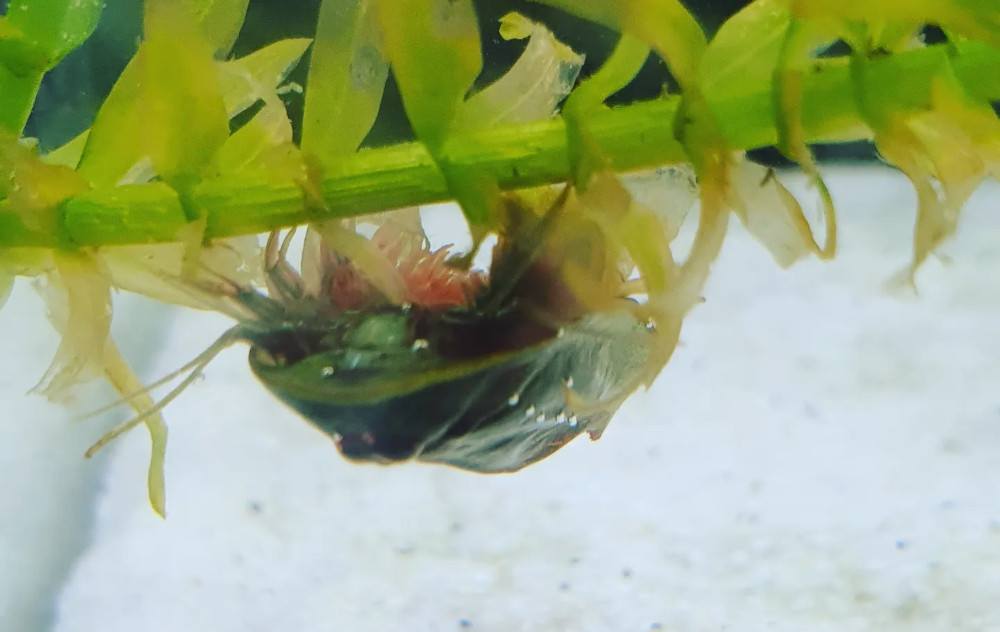
Where do Triops come from?: The evolutionary time capsule
When you see a triops, you are looking at a creature that has remained virtually unchanged for over 250 million years. Scientists date the first documented triops fossils to the Triassic period, which began around 252 million years ago. This means that these tiny crustaceans were already populating the Earth before the great dinosaurs such as the Tyrannosaurus rex and the Triceratops even reached their peak.
Just imagine: while countless species, from the first amphibians to the giant pterosaurs, came and went, the triops survived in its basic form. Its evolutionary formula was so successful that it remained intact through several mass extinctions, including the famous event that wiped out the dinosaurs at the end of the Cretaceous period. They are older than any tree, older than most insects, and have truly witnessed every major change our planet has ever seen. When we talk about a living fossil, the triops is one of the most impressive examples ever.
Home in a puddle: a question of niche
Triops do not originate from a single, fixed location in the world, but from a very specific ecological niche: temporary bodies of water. Today, they can be found on almost every continent – from desert regions in Africa and Australia to fields in Europe and North America – wherever puddles or depressions form that are only filled with water seasonally. These habitats are also known as vernal pools or rainwater basins.
This environment may seem inhospitable at first glance, but it is the key to their survival. Temporary bodies of water have one crucial advantage: they are free of most predators. Since fish and larger predatory insects cannot live there permanently, the triops has found the perfect environment in these short-lived oases to reproduce explosively without being eaten itself. This place is under constant threat of drying up, and that is precisely what makes the triops so resilient.

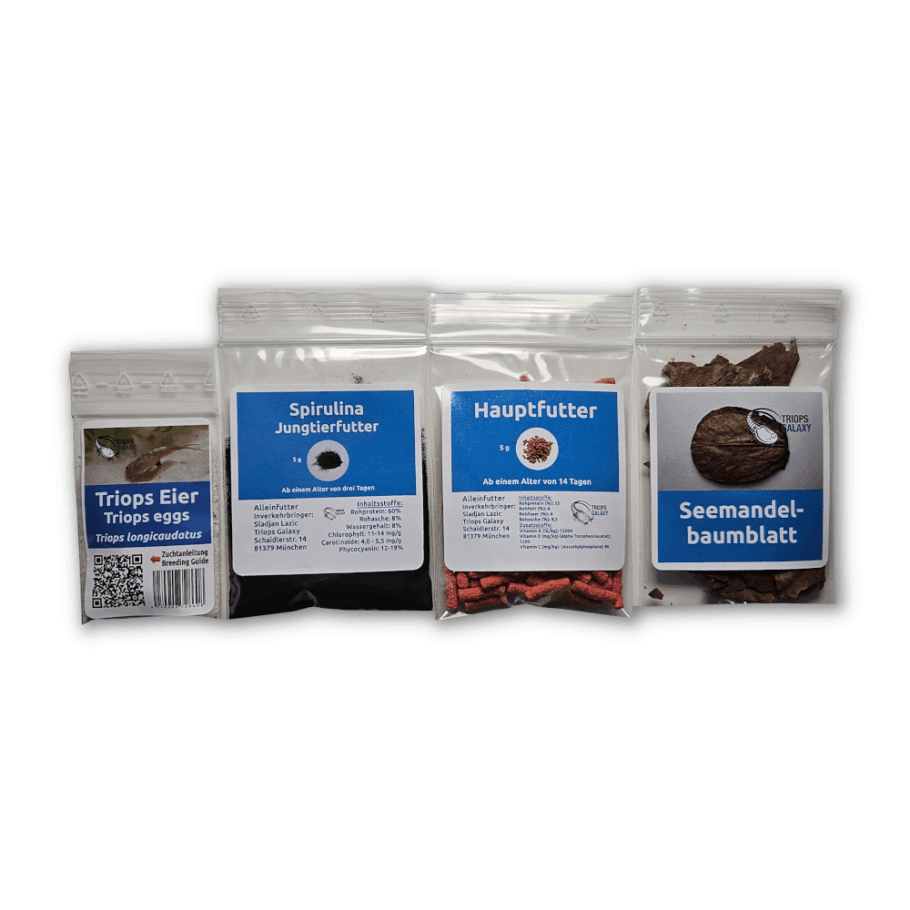
Triops food pack (spirulina powder, decapsulated Artemia eggs, food sticks)
In stock
The master strategy: diapause and the long-lasting eggs
The real answer to the question of where triops come from lies in their ability to wait for water. Their origin as a long-lived fossil is inextricably linked to their unique survival strategy, known as diapause.
When the puddle dries up, the adult triops die. But their eggs, which they have laid in the mud, are true wonders of nature. They are called permanent eggs or cysts. These microscopic time capsules are incredibly resilient:
- Dryness: They can dry out completely and survive for decades in sand or mud.
- Temperature: They can withstand extreme heat and cold, even freezing.
- Resting phase (diapause): The eggs need a dry phase in order to hatch. They know that they must become inactive when they dry out, and only when the next rainfall moistens them again will the hatching process begin.
It is this perfect adaptation to extreme, unpredictable environmental conditions that has enabled the triops to exist for eons. While other animals needed stable rivers and lakes to survive, the triops was able to spread across the entire world by literally waiting for the next rainfall.
Triops today: A global survivor
The triops you may observe in your aquarium usually belongs to the species Triops longicaudatus (in North America/Asia) or Triops cancriformis (in Europe). Despite their worldwide distribution, the conditions of their habitat remain extremely specific.
So the next time you see a triops, remember: you’re not just looking at a small crab. You’re looking at the result of a 250-million-year-old survival strategy that works in the most inhospitable puddles around the world. They come from a primeval, almost mystical past, but their home is and remains the short, stormy present of seasonal water, which makes them masters of adaptation. They are true heirs to the history of the Earth and show us that sometimes the best survival strategy is simply to wait patiently.
Where do triops come from? – Conclusion
Triops are true survivalists and fascinating witnesses to the history of the Earth. Their origins date back over 250 million years, long before the dinosaurs. While countless species came and went, their basic form remained virtually unchanged. The key to their success lies in their unique adaptation to temporary bodies of water and their ability to survive extreme environmental conditions with the help of resilient permanent eggs.
By waiting for the next rainfall and multiplying explosively as soon as water is available, triops have been able to spread worldwide and survive numerous mass extinctions. Anyone who keeps a triops in their aquarium today is not only observing an unusual animal, but a living fossil – a creature that has survived for millions of years through patience, adaptability and evolutionary efficiency.

- Palaeontology: Horned dinosaurs were there, but misidentified - 9. January 2026
- High tech for a prehistoric animal: new tusks for the Darmstadt mastodon - 8. January 2026
- All the best for the new year 2026! ☃️ 🎉 - 30. December 2025
