



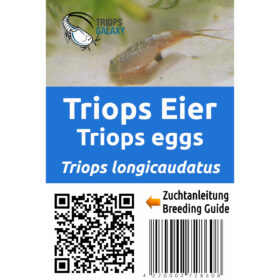
 Triops Longicaudatus
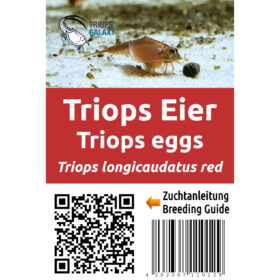 Triops Longicaudatus Red
 Triops Longicaudatus
 Triops Longicaudatus Red
 Triops food
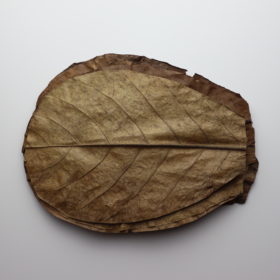 Sea almond leaf
 Aquarium filter
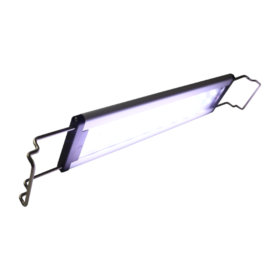 Lighting
 Substrate
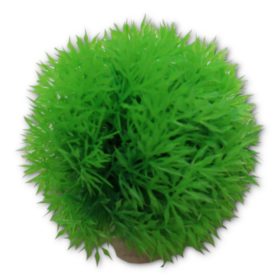 Decoration
 Heating
 Cleaning
 Thermometer
CHICAGO/BEIJING. A 120-million-year-old bird fossil from the dinosaur era reveals not only a new species, but also a bizarre cause of death. The small animal, one of the most successful bird groups of the Cretaceous period, died after swallowing a huge amount of stones and clay lumps that got stuck in its oesophagus.
Every discovery from the early days of life tells a story, but the one described here is particularly curious. Palaeontologist Jingmai O’Connor from the Field Museum in Chicago describes the tiny animal she discovered in the Shandong Tianyu Natural History Museum in China in the journal Palaeontologica Electronica.
‘There are thousands of bird fossils there, but this specimen immediately caught my eye during my last visit,’ says O’Connor.
New bird species named after a Funk band
The fossil, which was about the size of a sparrow and dates back 120 million years, belongs to the extinct group of Enantiornithes, which once flourished alongside the dinosaurs. O’Connor identified it as a previously unknown species and named it Chromeornis funkyi, a tribute to the North American techno-funk band Chromeo.
However, it is not the unusual name but a microscopic finding that makes this discovery unique.
A grotesque last bite
During her examination under the microscope, the researcher came across an anomaly that had never been observed before: a strange accumulation of material directly in the oesophagus, at the level of the cervical vertebrae.
‘We found over 800 tiny stones in this bird’s throat – far more than we would expect to find in other birds with gizzards,’ explains O’Connor.
Although swallowing stones, known as gastroliths, is common in modern birds such as chickens to grind food in the stomach, the Enantiornithes group was not previously known to do so. In addition, CT analyses showed that many of the objects were not even real stones, but rather tiny clay balls.
Was illness the trigger?
According to O’Connor, the high number and unusual composition of the mass allow only one conclusion: the bird died because it suffocated on this gigantic lump.
The palaeontologist suspects that illness triggered the fatal behaviour: ‘When birds are sick, they start doing strange things,’ she says. The hypothesis is that the weakened animal ate the stones and then tried to regurgitate the lump, which was far too large, in one go, causing it to get stuck in its oesophagus.
The find provides researchers with new pieces of the puzzle for understanding why the Enantiornithes, despite being one of the most successful bird groups of the Cretaceous period, were unable to withstand the mass extinction 66 million years ago.

- Palaeontology: Horned dinosaurs were there, but misidentified - 9. January 2026
- High tech for a prehistoric animal: new tusks for the Darmstadt mastodon - 8. January 2026
- All the best for the new year 2026! ☃️ 🎉 - 30. December 2025
