



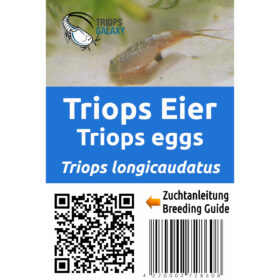
 Triops Longicaudatus
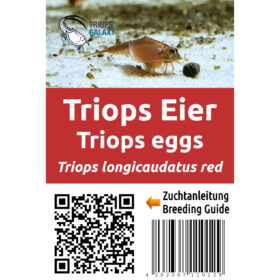 Triops Longicaudatus Red
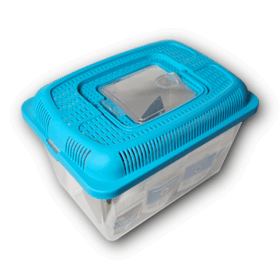 Triops Longicaudatus
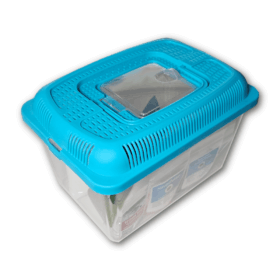 Triops Longicaudatus Red
 Triops food
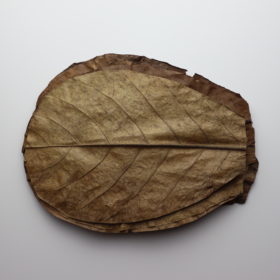 Sea almond leaf
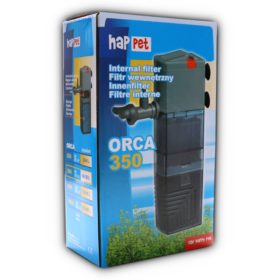 Aquarium filter
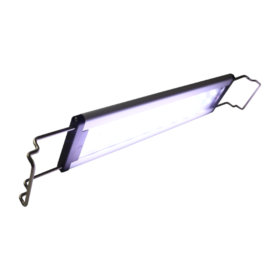 Lighting
 Substrate
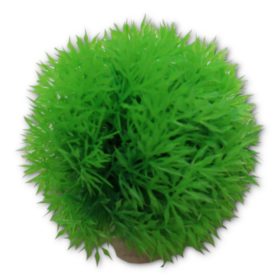 Decoration
 Heating
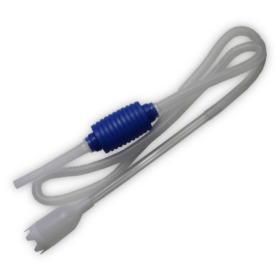 Cleaning
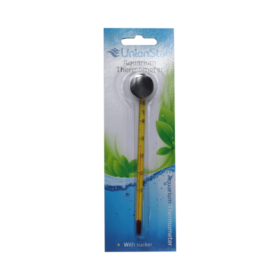 Thermometer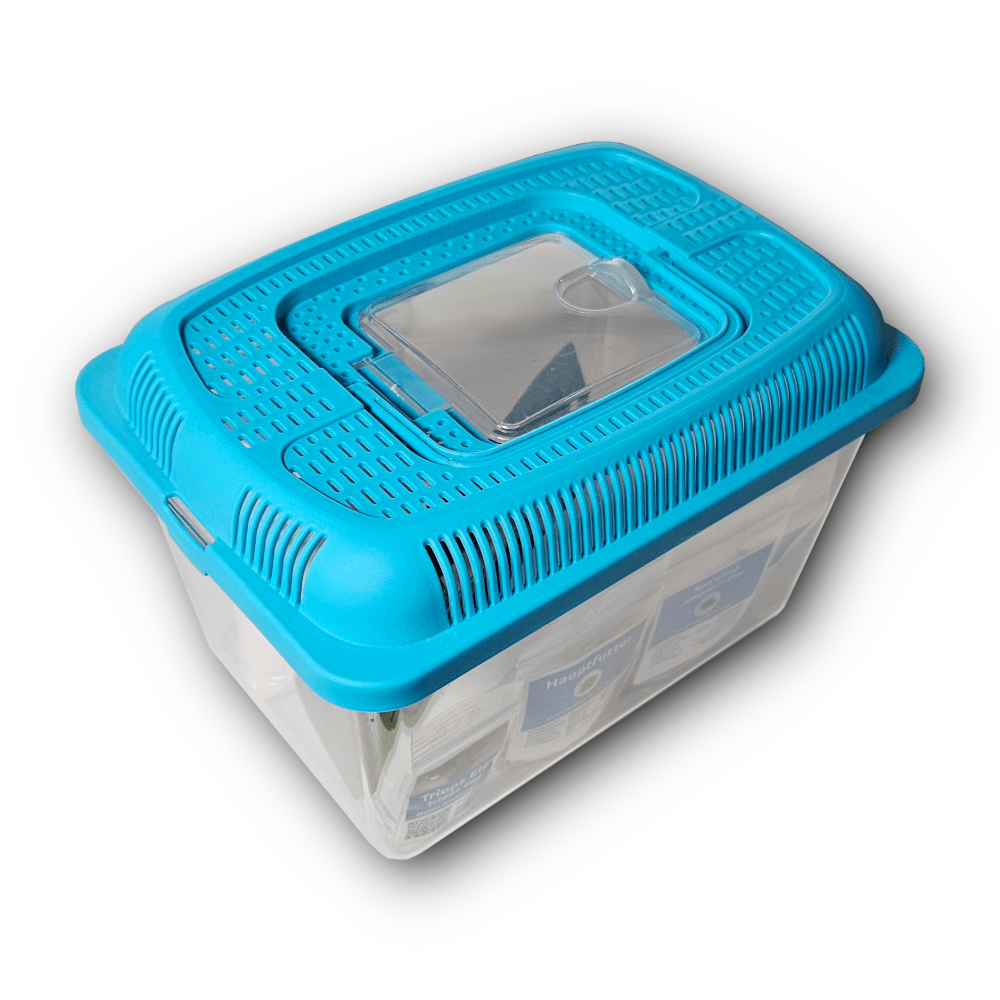
Rediscovering prehistoric life
Triops are among the most fascinating creatures on Earth. They have existed for hundreds of millions of years virtually unchanged – and their extraordinary resilience has even led to Triops eggs being sent into space as part of scientific experiments. Today, this impressive life cycle can be experienced at home without the need for laboratory conditions.
Rearing Triops longicaudatus allows children and adults to follow a creature’s development from the moment it hatches. In doing so, children develop a sense of responsibility, attentiveness and care without being overwhelmed. The relatively short lifespan of these prehistoric crustaceans creates an age-appropriate connection and makes biological concepts tangible.
Triops longicaudatus are among the fastest-growing prehistoric crustaceans. The animals reach sexual maturity after just 14 days. During this phase, the females begin to bury their eggs deliberately in the sand on the bottom – an ancient survival strategy that has proven its worth over millions of years.
After the animals reach the end of their natural life, the hardy eggs remain preserved in the sand. These can be dried, frozen and reused for breeding at a later date. This creates a closed cycle that can be observed time and time again.
For successful rearing, Triops longicaudatus prefer temperatures of around 25 °C. Breeding is flexible and can be carried out using still mineral water, distilled water or suitable natural water from rivers or lakes.
Precisely counted eggs for reliable results
A key quality feature of this set is the manual counting of the Triops eggs it contains. The eggs are counted individually by hand, ensuring that the stated number of eggs is guaranteed and not based on estimates. This ensures transparency, reliability in planning and consistent quality with every breeding attempt.
What do triops eat?
Triops are omnivores and extremely adaptable when it comes to their diet. They spend most of the day burrowing through the substrate, consuming organic matter and filtering the finest particles from the water. In addition to plant matter and microorganisms, they also consume animal matter – even cannibalism is part of their natural behaviour. Particularly when food is scarce or there are significant size differences within the group, smaller or weaker individuals may be eaten. This behaviour is a natural survival mechanism and not an unusual phenomenon.
Newly hatched Triops do not yet have fully developed mouthparts and cannot consume solid food. They initially feed on their yolk sac as well as on bacteria, microorganisms and dissolved nutrients in the water. For this reason, a suitable water base is important to provide the animals with optimal conditions right from the start.
Active feeding begins around 48 hours after hatching. A very small amount is crucial here: a pinch of spirulina powder is perfectly sufficient as food for the young. This fine algae powder is easily digestible and ideally suited to the needs of young triops. Overfeeding must be avoided at all costs, as excess food can quickly deteriorate water quality and endanger these sensitive creatures.
As they grow, the Triops’ nutritional requirements increase significantly. The amount of food can be gradually increased and later supplemented with other types of food. A balanced, appropriate diet not only promotes growth and vitality, but also helps to reduce stress within the group and prevent cannibalism.
Who is this Triops set suitable for?
The Triops longicaudatus – Triops set is ideal for beginners, amateur biologists, parents with children, and for use in schools and educational institutions. Even experienced breeders will benefit from the guaranteed number of eggs and the reliable quality of the breeding material.
Join your children in marvelling at a creature that has survived since prehistoric times and has even made its way into space – alive, educational and right in your living room.
“Triops longicaudatus” fact sheet:
Phylum: Arthropods (Arthropoda)
Subphylum: Crustaceans (Crustacea)
Size: 5 to 7 cm
Life expectancy: approx. 60 to 90 days
Habitat: freshwater
Temperature: 25 to 28° C
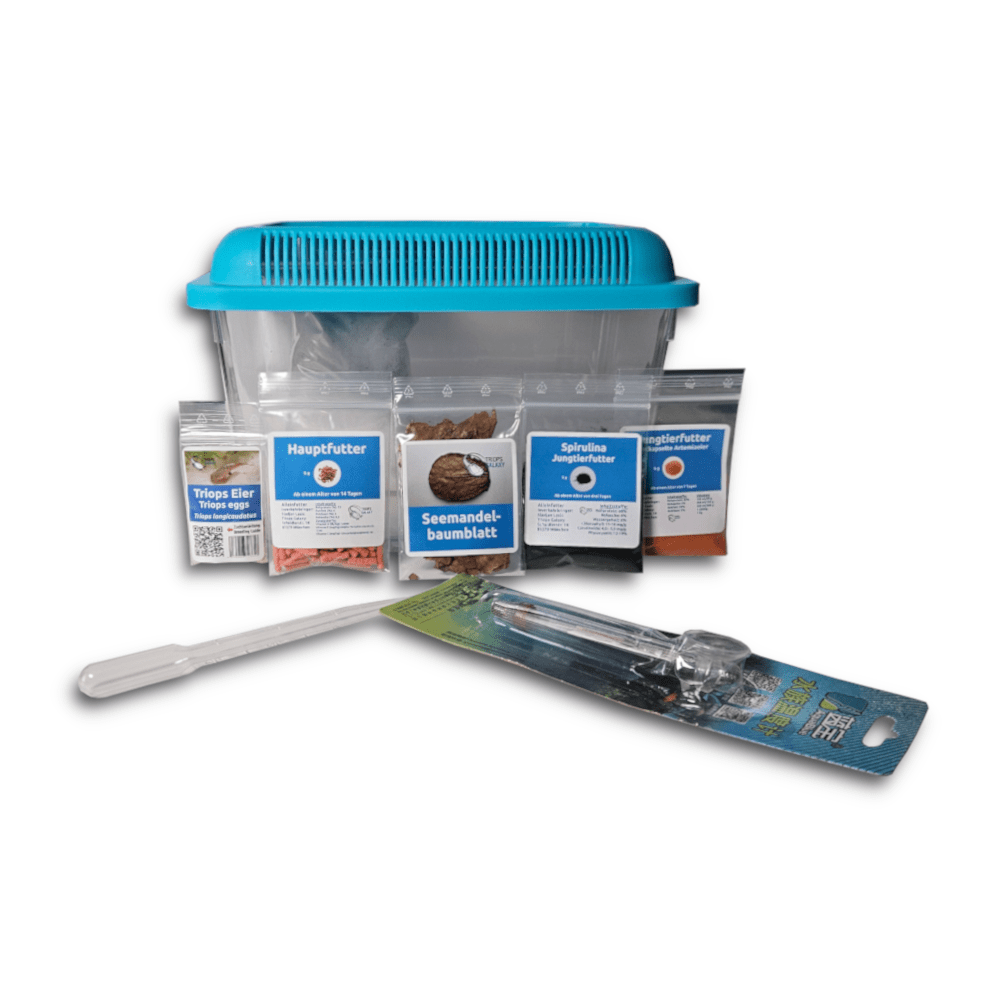
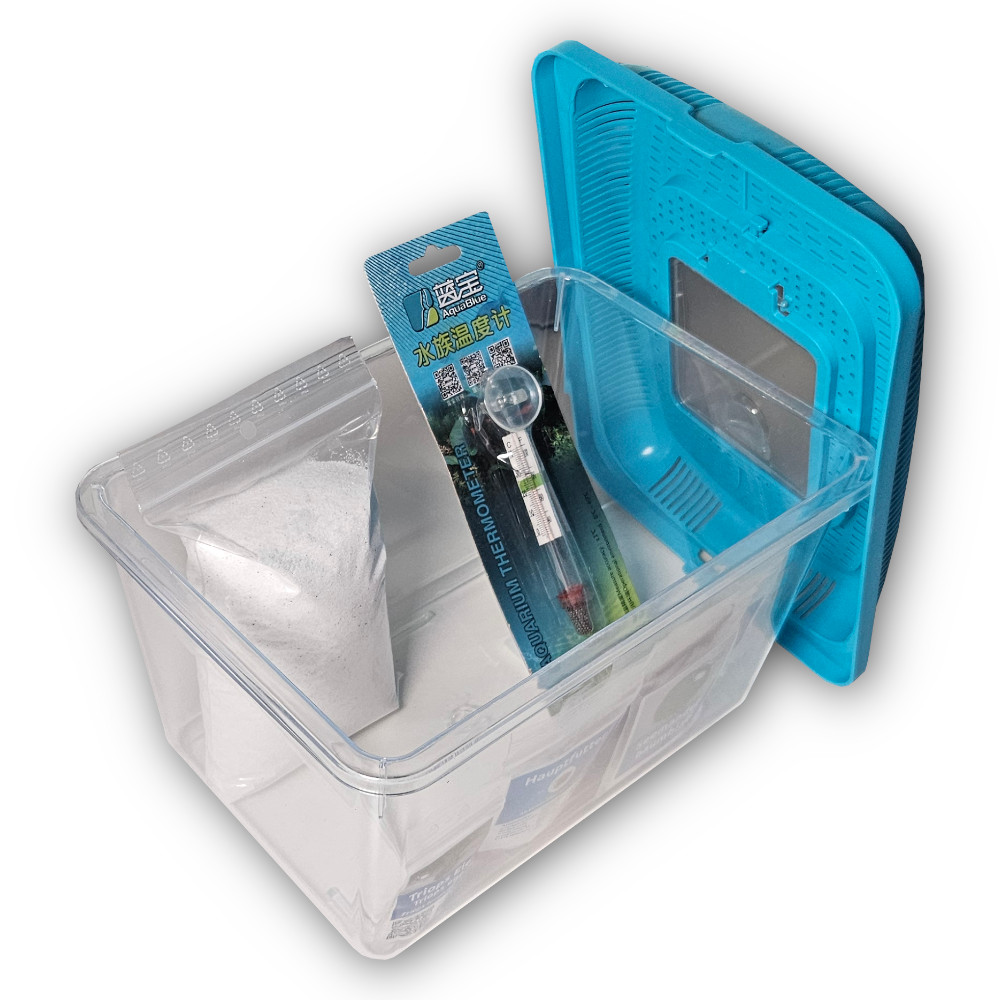
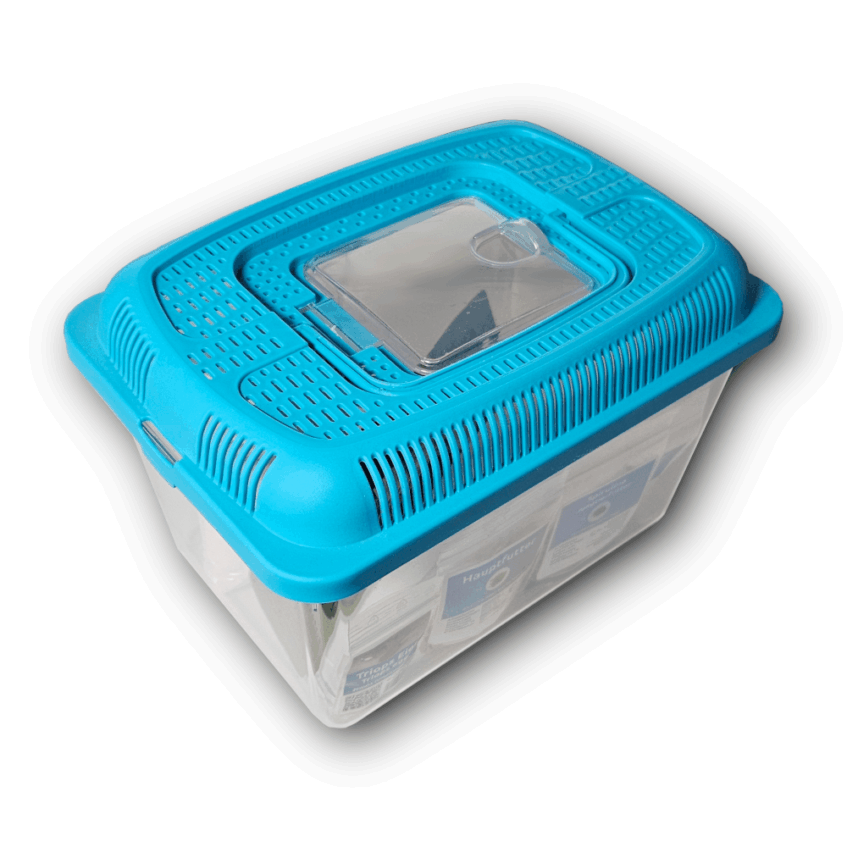
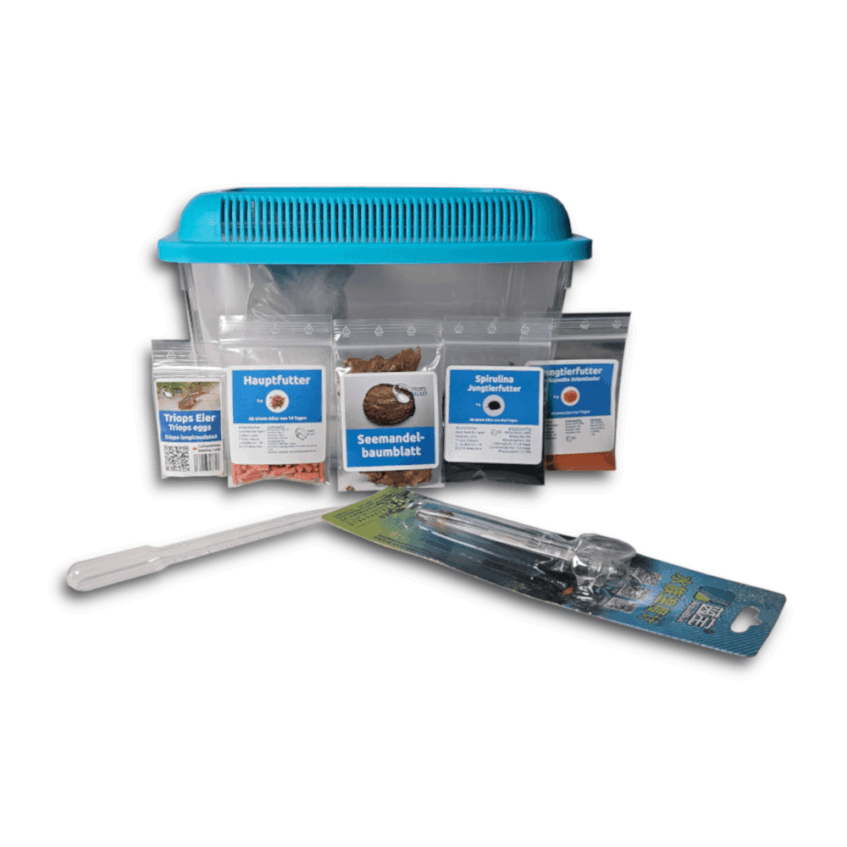
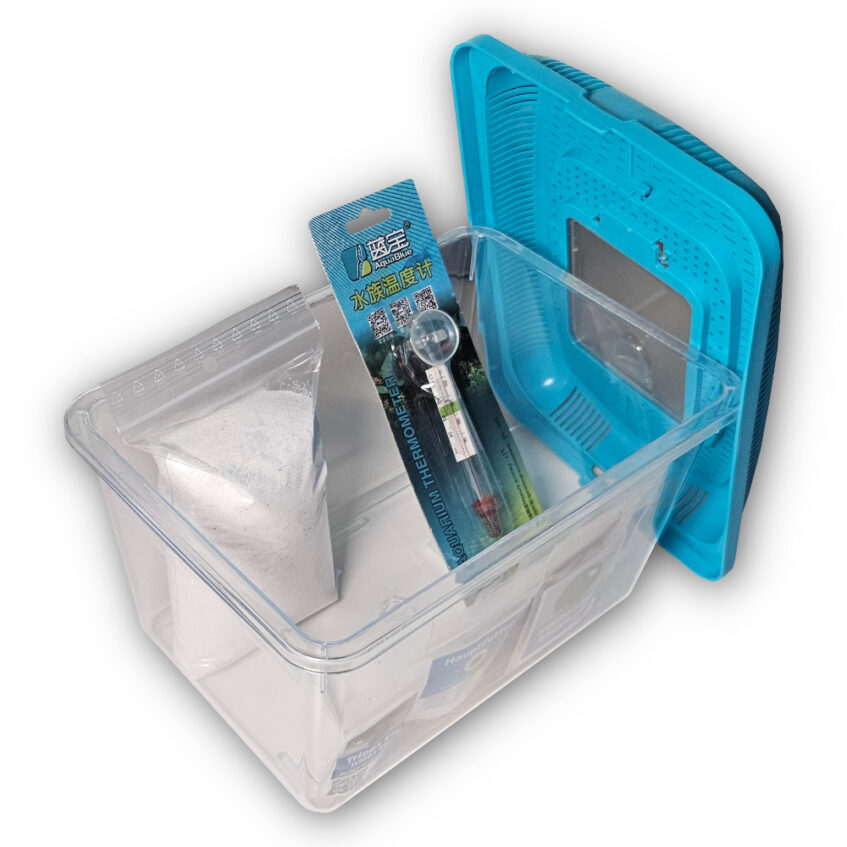
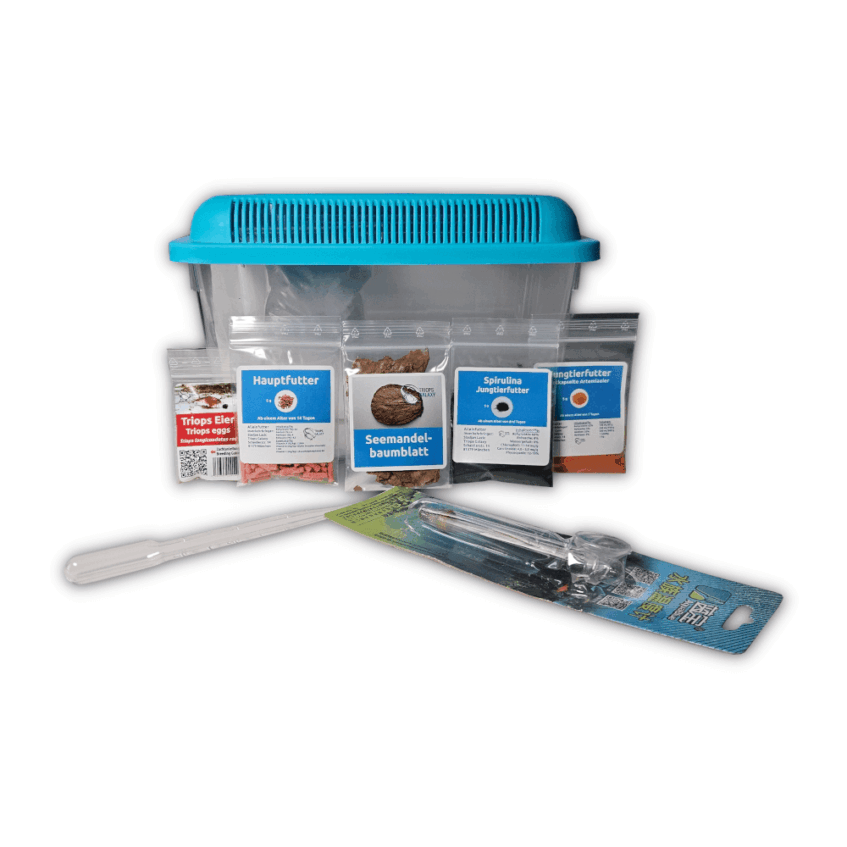
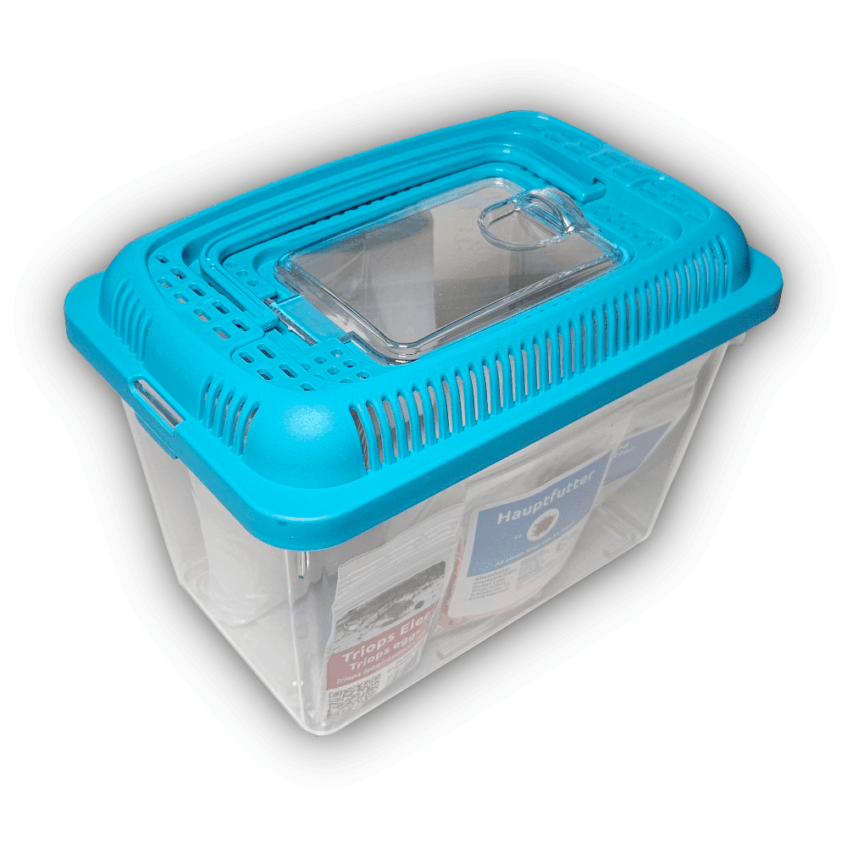
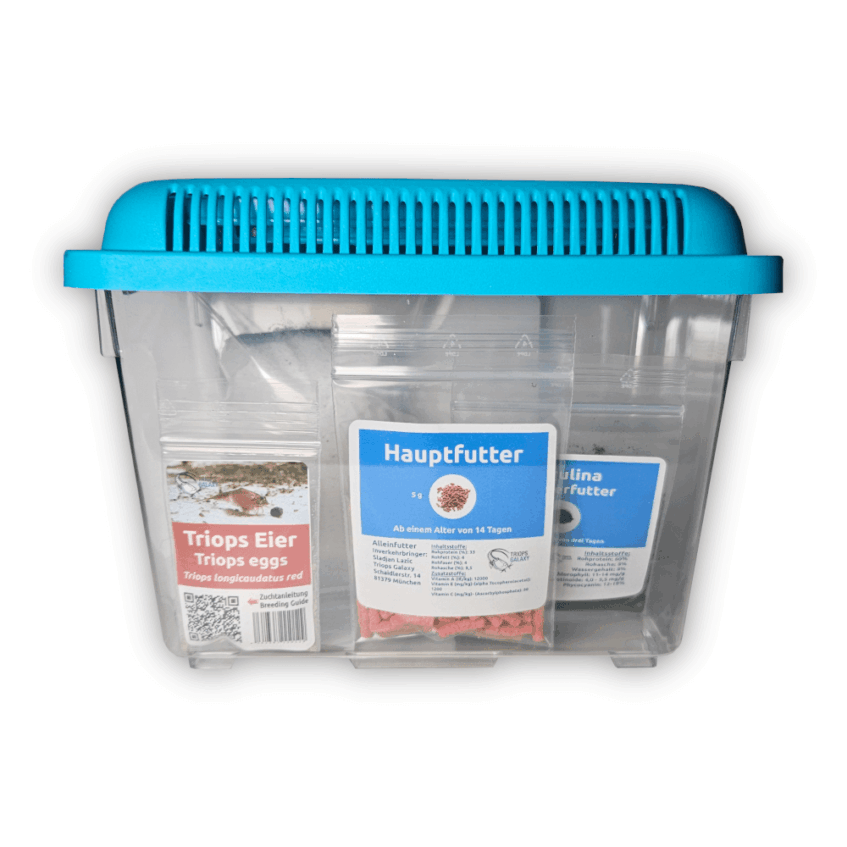
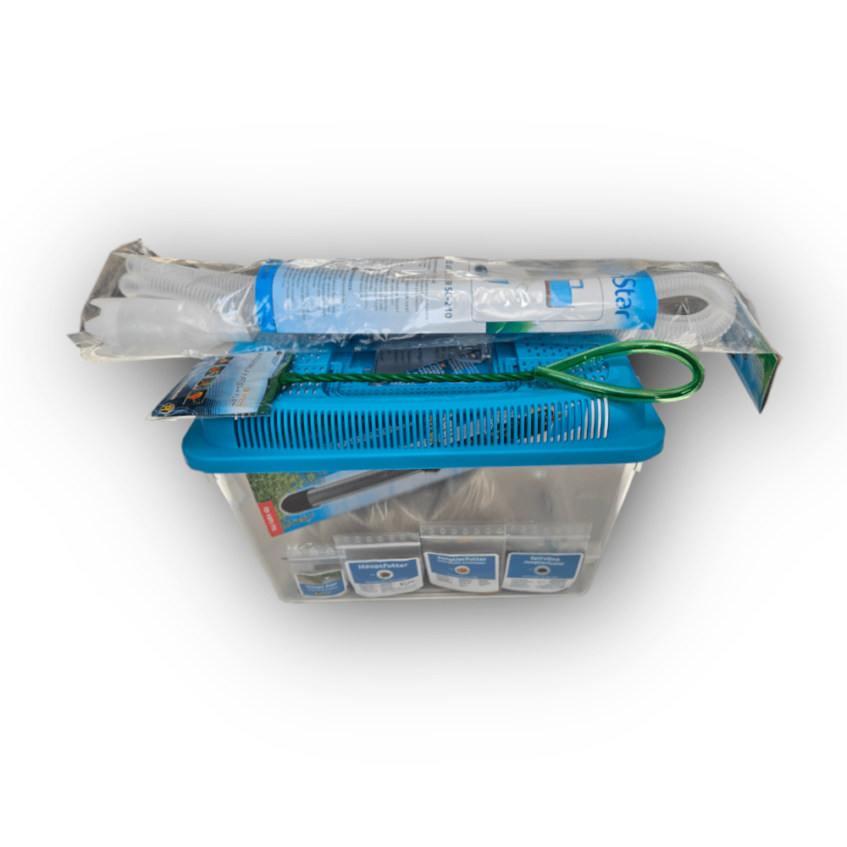
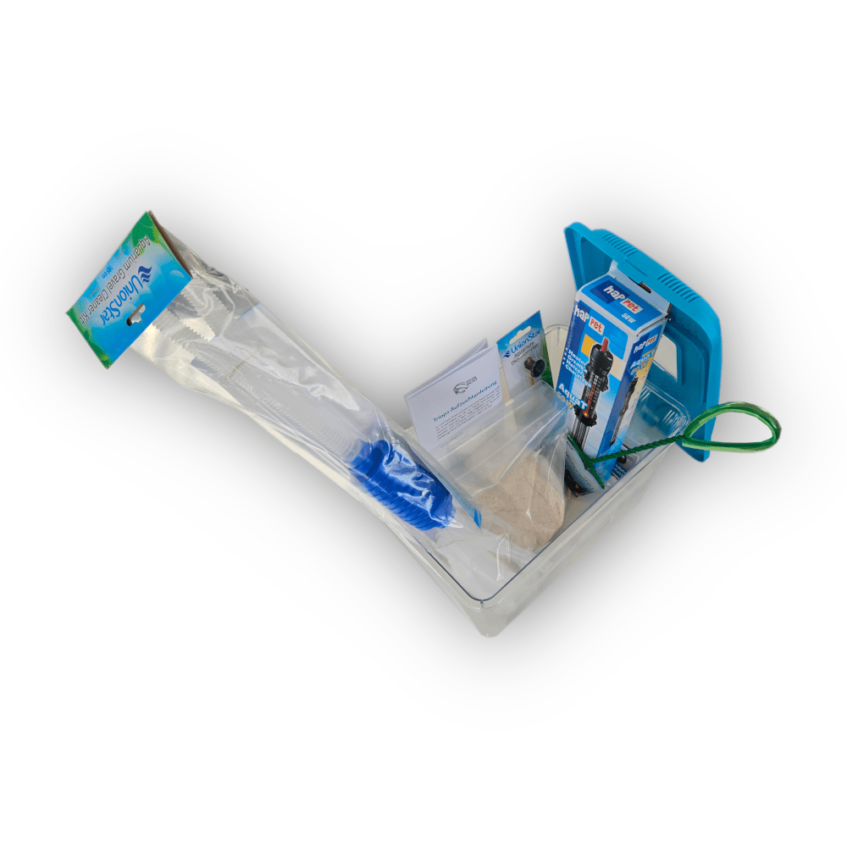
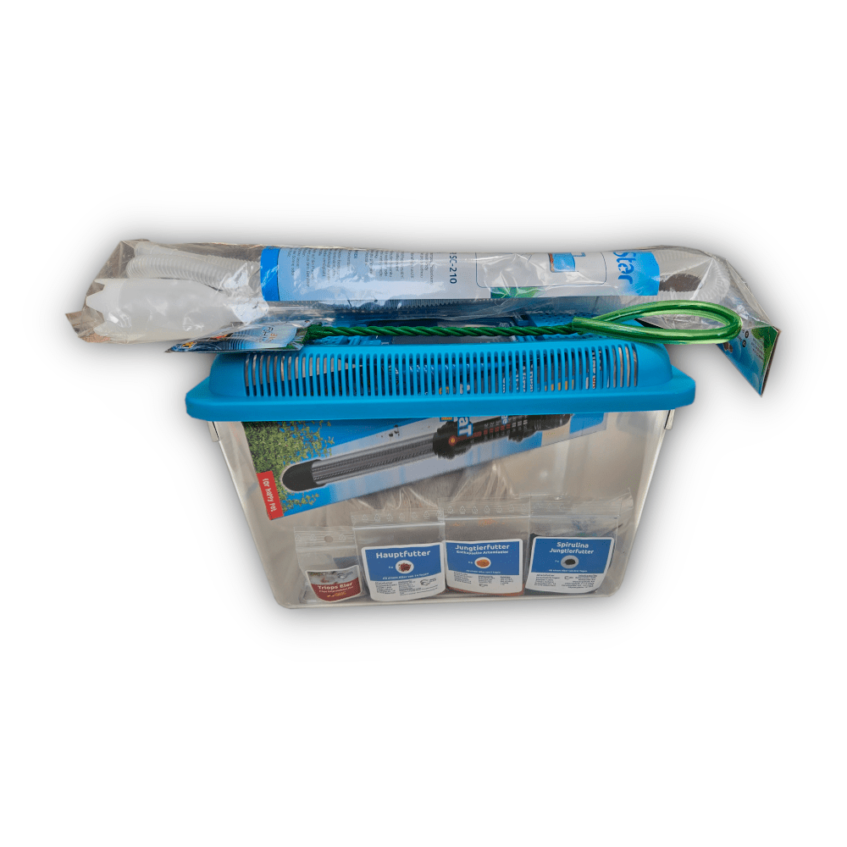
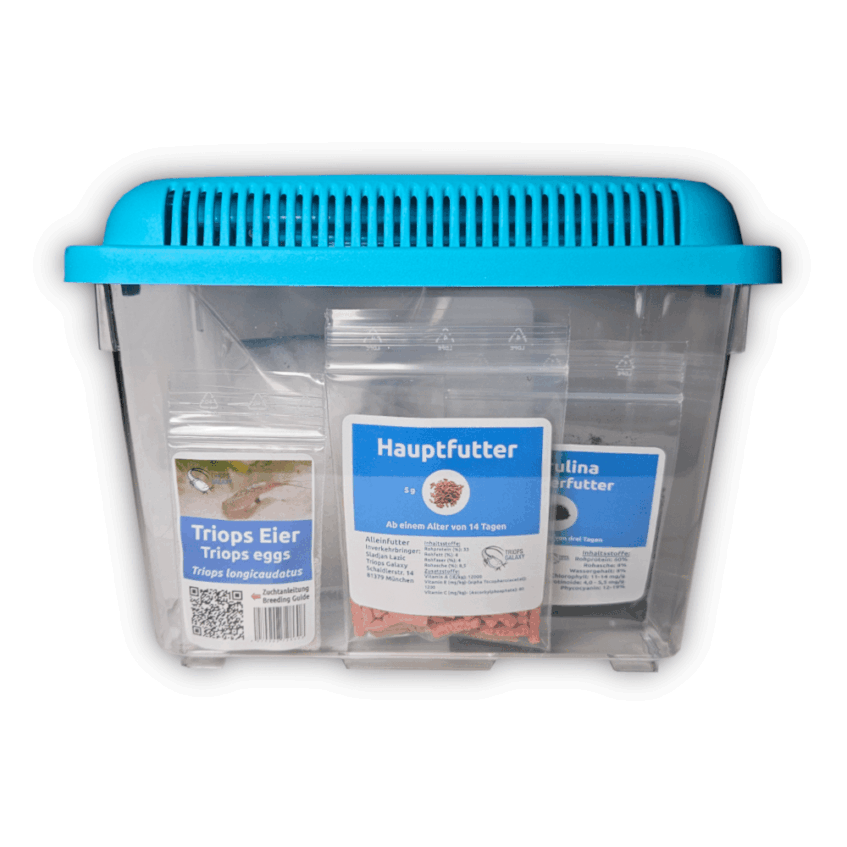
Complete set comprising several components for breeding triops (Scope of delivery):
- 1 x egg-sand mixture (breeding kit)
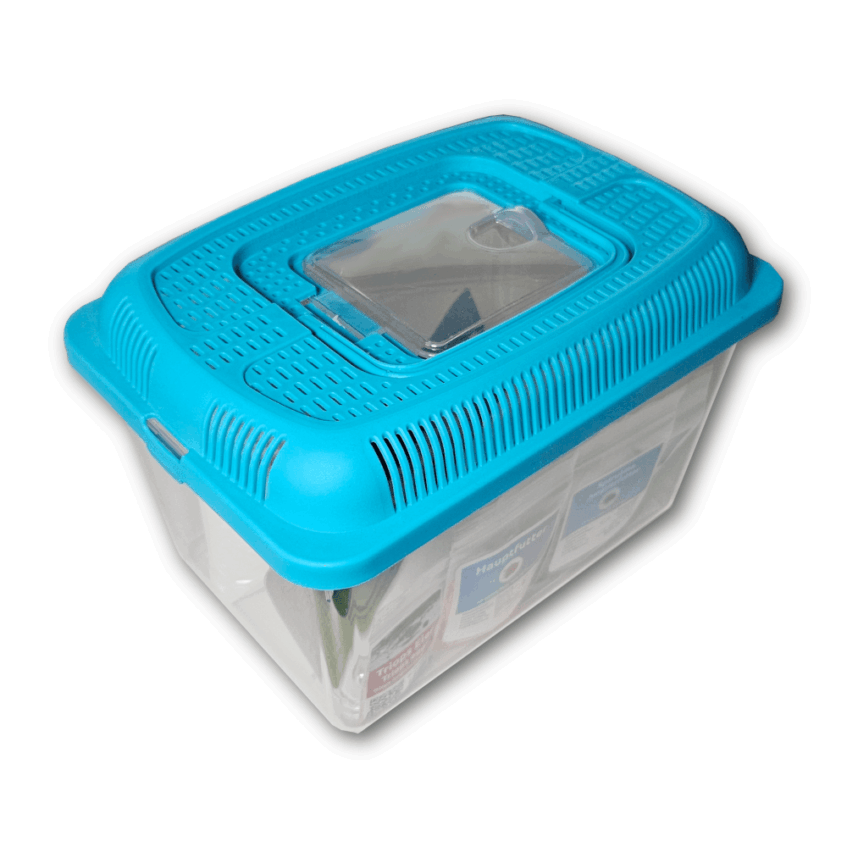
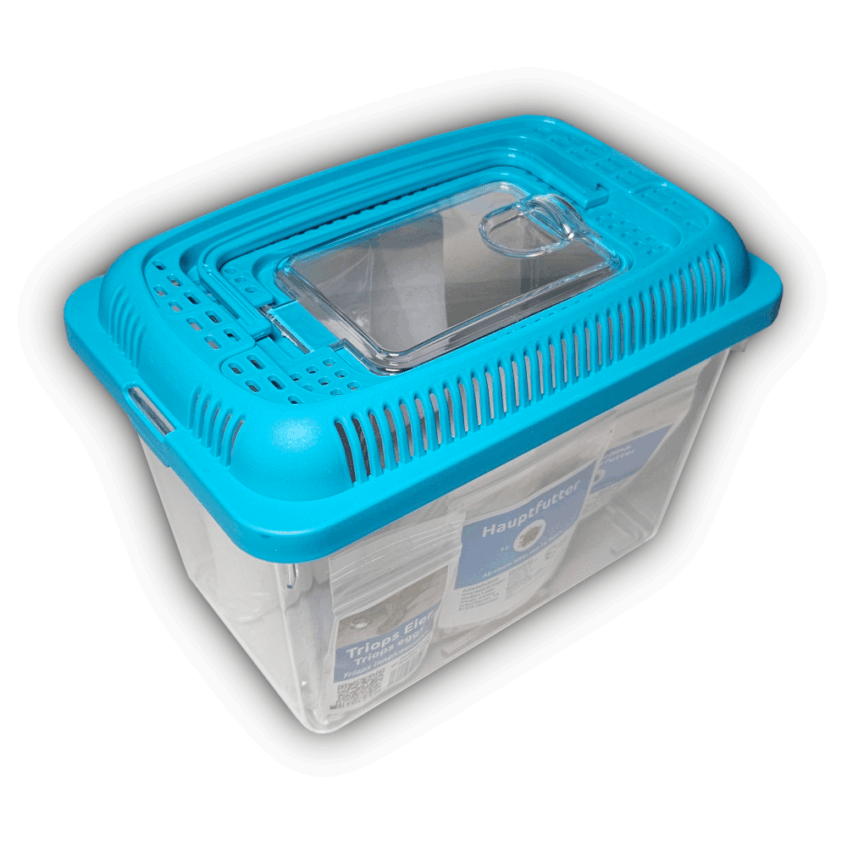
- 1 x Faunabox 18 x 12 x 14 cm (cover with handle, currently only available in blue)
- 1 x pipette for cleaning
- 1 x sachet of staple food
- 1 x sachet spirulina powder (young animal food)
- 1 x sachet of juvenile food (decapsulated Artemia eggs)
- 1 x sachet of aquarium sand (gravel), 200 g
- 1 x sachet of sea almond leaf pieces
- 1 x Glass thermometer with suction cup
- The breeding instructions are deliberately not included in paper form. You will receive exclusive access to our digital breeding instructions. Simply scan the QR code on the label or CLICK HERE! On request, we will send you a printed copy of the instructions free of charge. Please indicate this in the comments section when placing your order.
Reviews
There are no reviews yet.