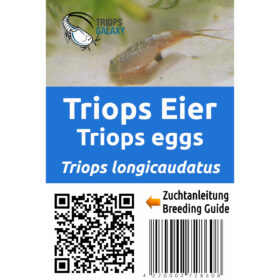
 Triops Longicaudatus
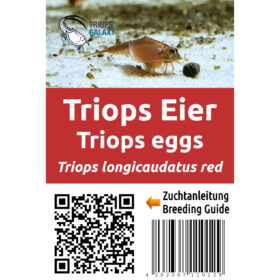 Triops Longicaudatus Red
 Triops Longicaudatus
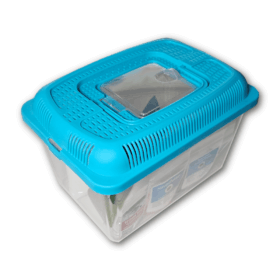 Triops Longicaudatus Red
 Triops food
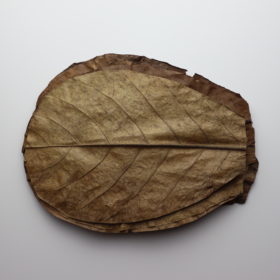 Sea almond leaf
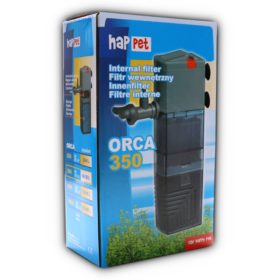 Aquarium filter
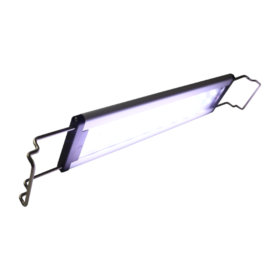 Lighting
 Substrate
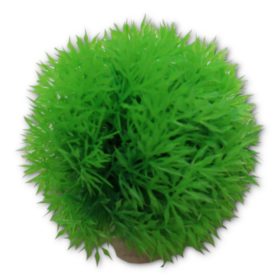 Decoration
 Heating
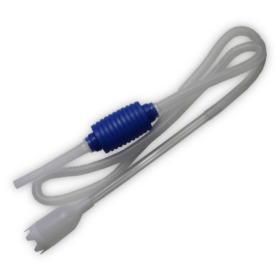 Cleaning
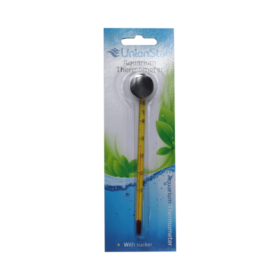 Thermometer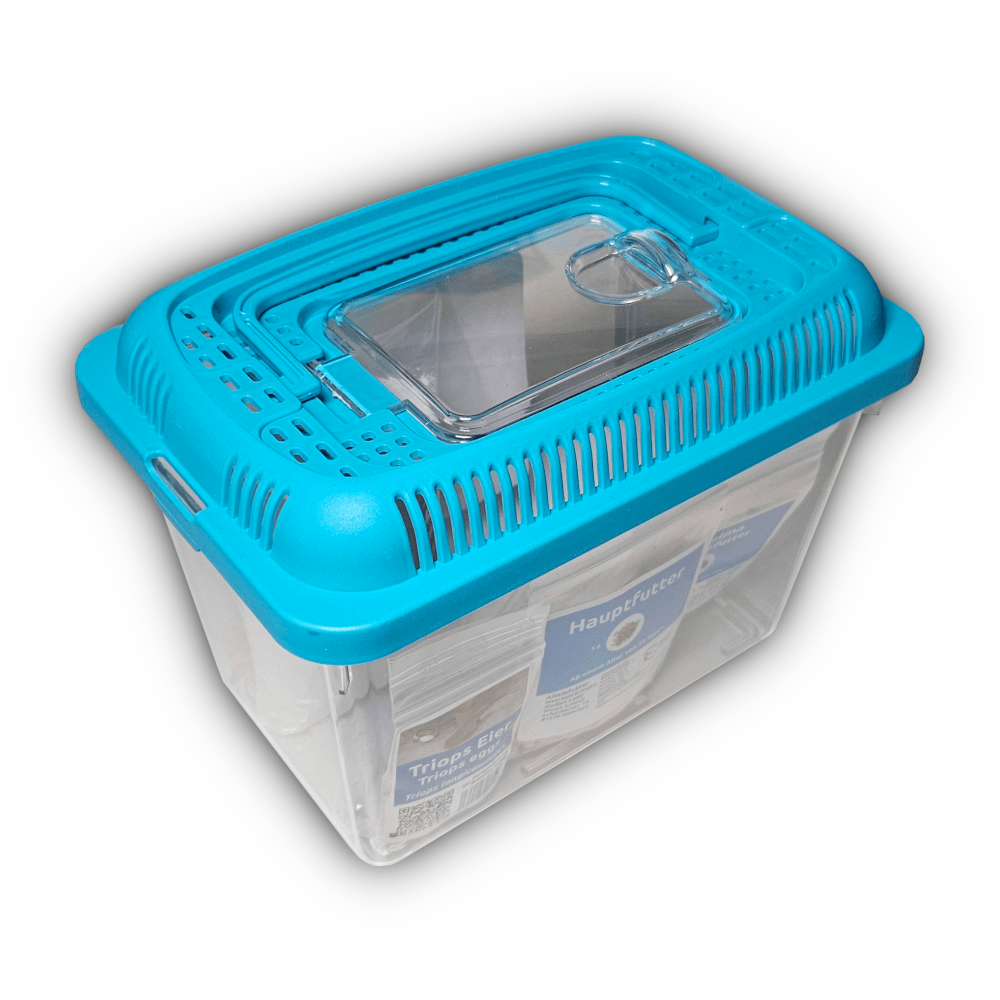
Learning through living prehistoric knowledge
Rearing prehistoric crustaceans offers children and adults a unique way to connect with nature. From the moment they hatch until the end of their short life cycle, they actively care for a living creature, learning in the process to take responsibility, observe routines and understand natural processes. The limited lifespan of Triops creates a realistic yet manageable bond – ideal for first experiences in handling animals.
The species Triops longicaudatus is notable for its exceptionally rapid growth. The creatures reach sexual maturity after just around 14 days. Shortly afterwards, the females begin to bury their eggs deliberately in the sand. This behaviour has remained virtually unchanged for millions of years and forms the basis for the ever-recurring life cycle of these prehistoric crustaceans.
After a population dies off naturally, the egg material contained in the sand remains completely intact. The sand can be dried, frozen and reused for breeding at a later date. In this way, the biological cycle of the Triops is not only explained in theory, but also brought to life in practice.
Triops longicaudatus thrive particularly well at water temperatures of around 25 °C. Breeding is flexible and can be carried out using still mineral water, distilled water or suitably prepared natural water from rivers or lakes.
Carefully counted eggs with a guaranteed count
A key quality feature of this breeding kit is the precise counting of the eggs it contains. The Triops eggs are counted individually by hand, so the stated number of eggs is guaranteed and not an estimate. This enables reliable planning of the breeding process and ensures transparency, particularly for beginners, educational institutions and anyone who values consistent quality.
Who is this set suitable for?
The Triops longicaudatus Mini Set is suitable for a wide audience. It is ideal for beginners, for families with children (under supervision), for those interested in the natural sciences, and for use in schools, projects and educational institutions. Experienced breeders also benefit from the guaranteed number of eggs and the controlled quality of the breeding material.
Experience a piece of Earth’s history together with your children or pupils – vivid, educational and right in your own home.
“Triops longicaudatus” fact sheet:
Phylum: Arthropods (Arthropoda)
Subphylum: Crustaceans (Crustacea)
Size: 5 to 7 cm
Life expectancy: approx. 60 to 90 days
Habitat: freshwater
Temperature: 25 to 28° C
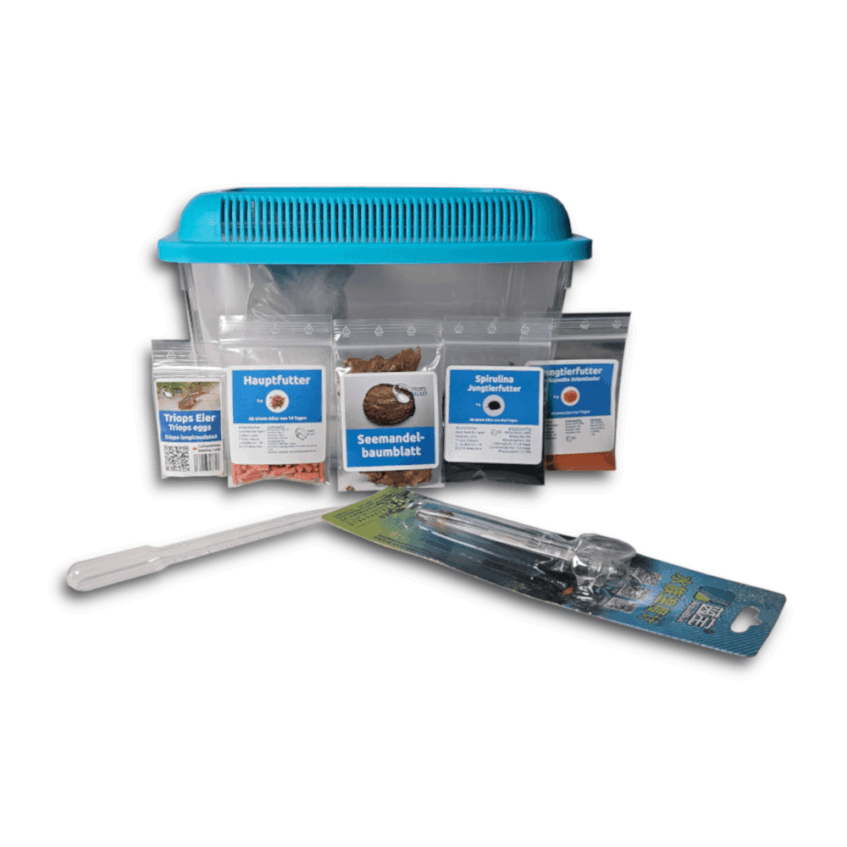
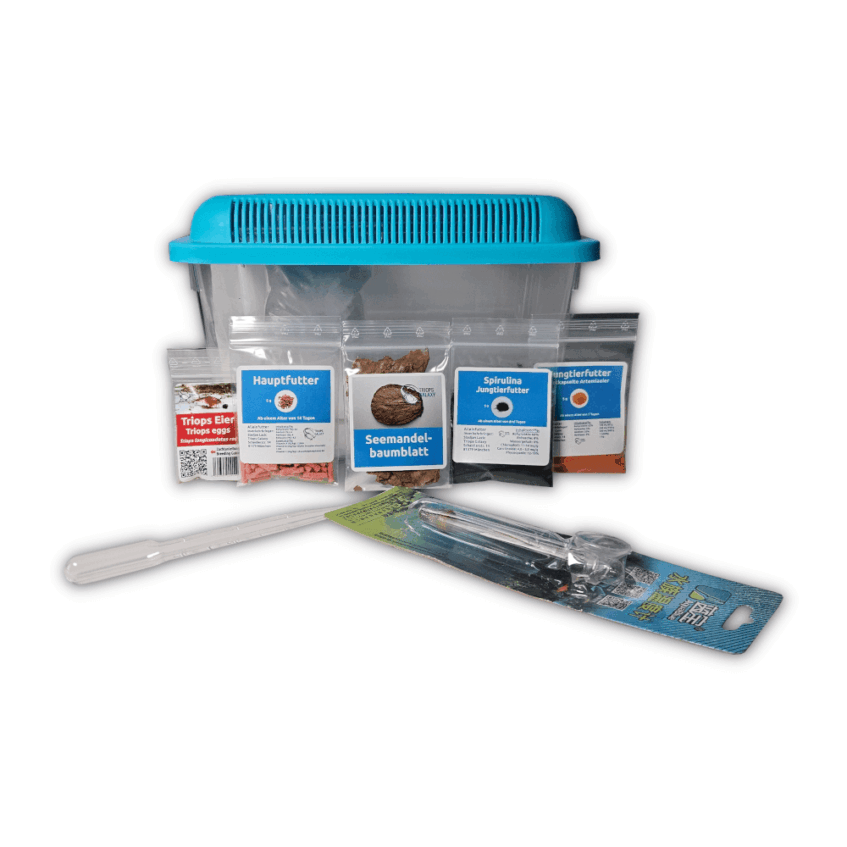
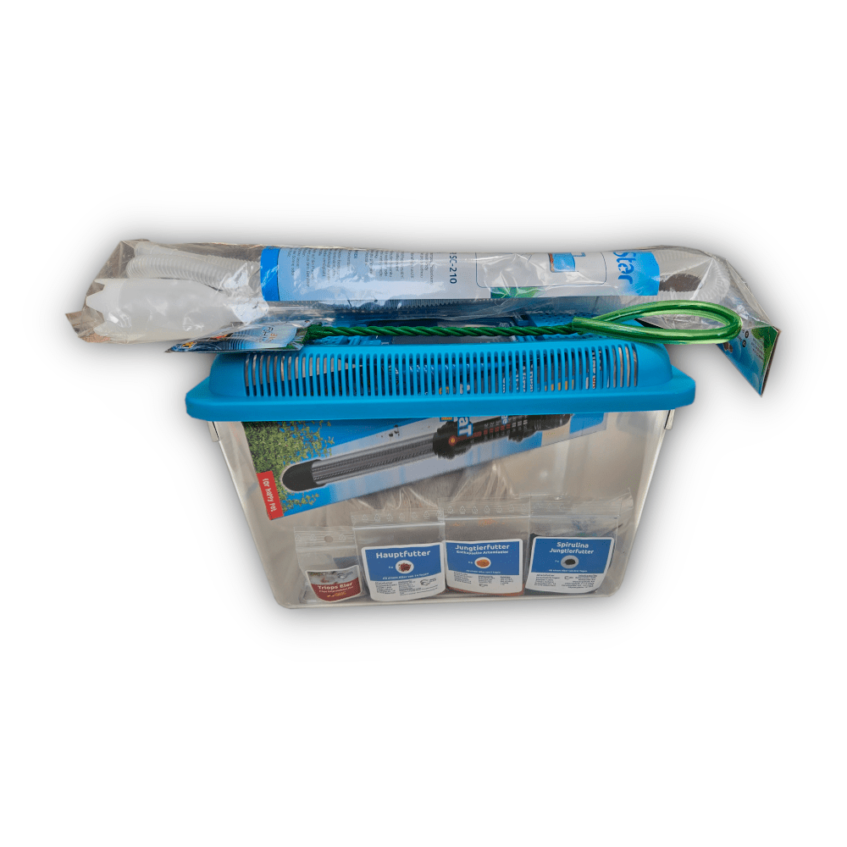
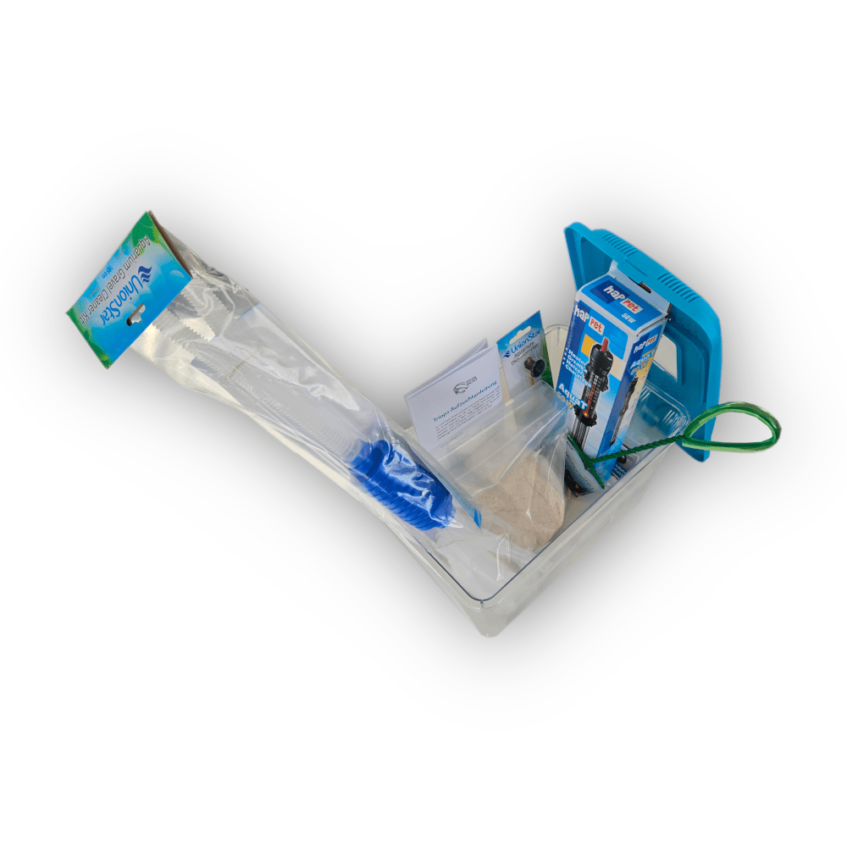
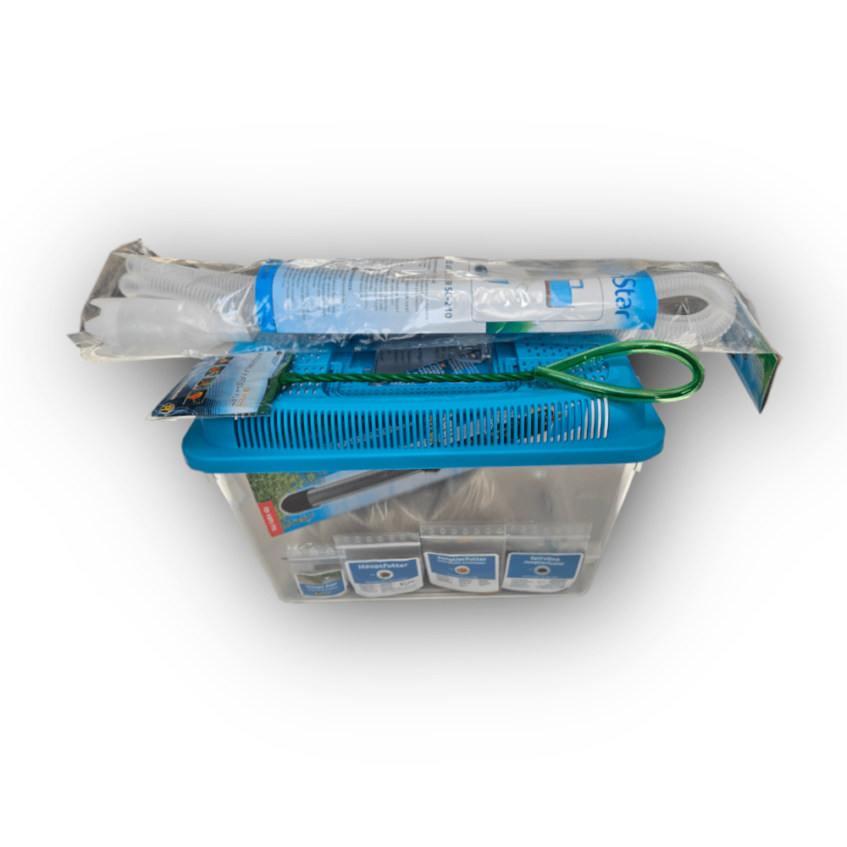
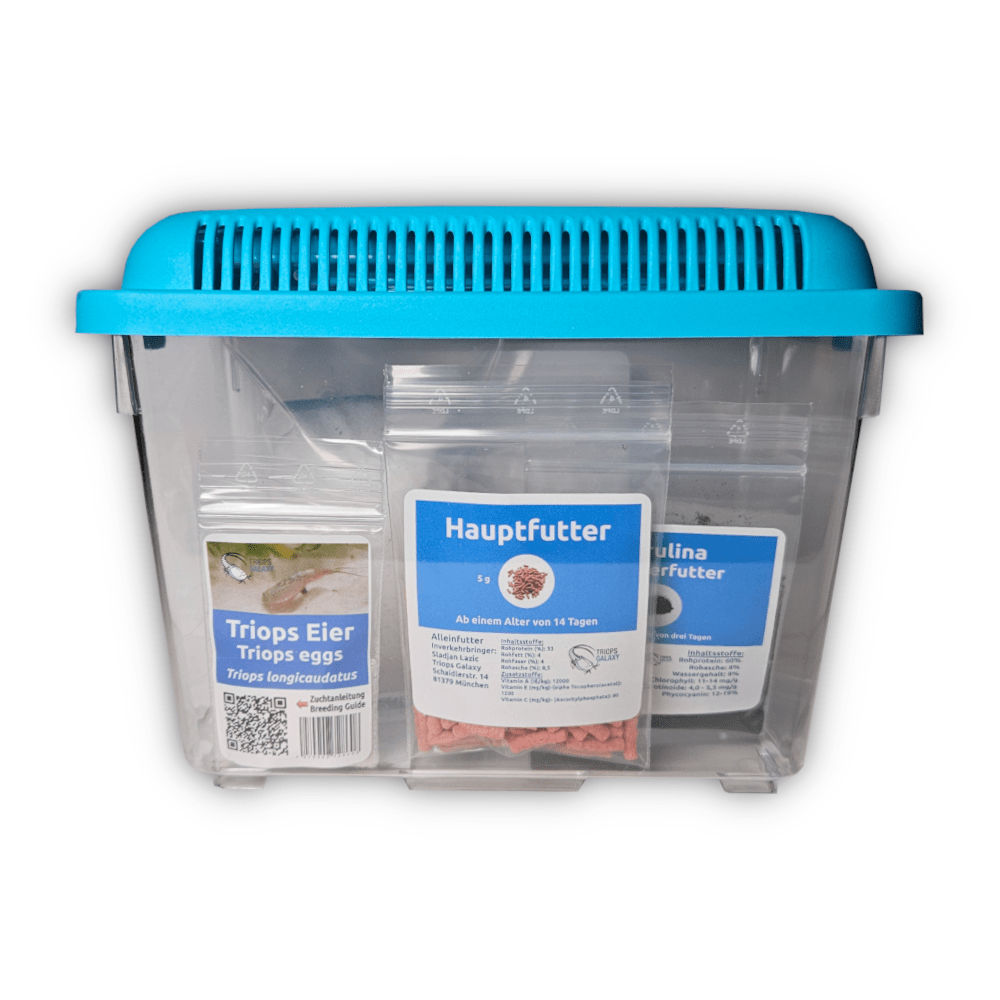
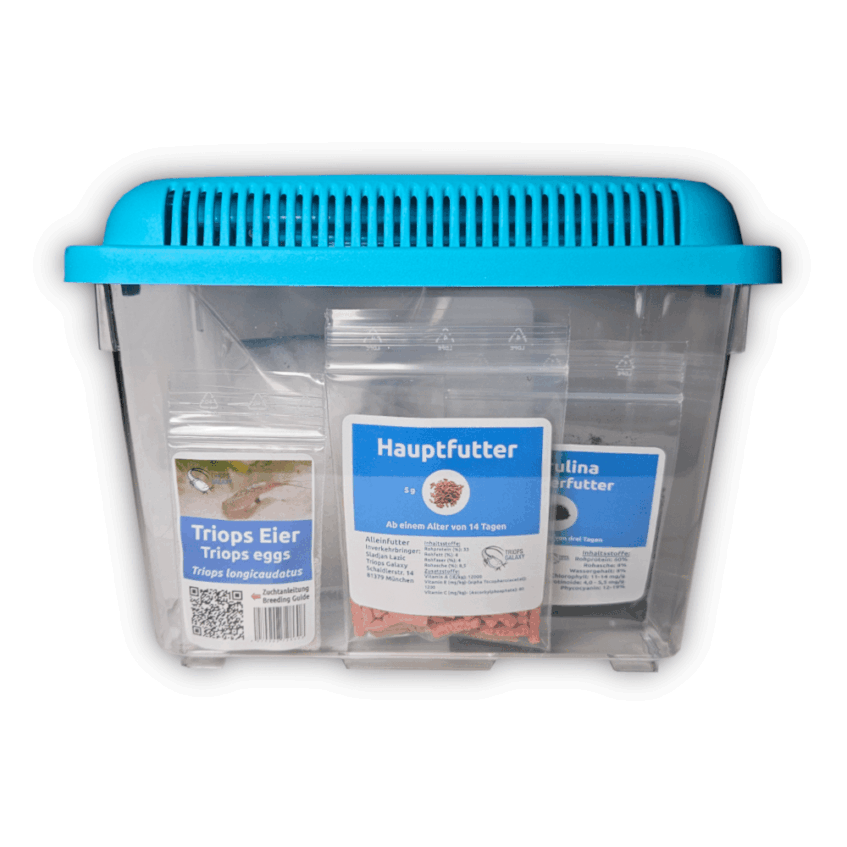
Complete set comprising several components for breeding triops (Scope of delivery):
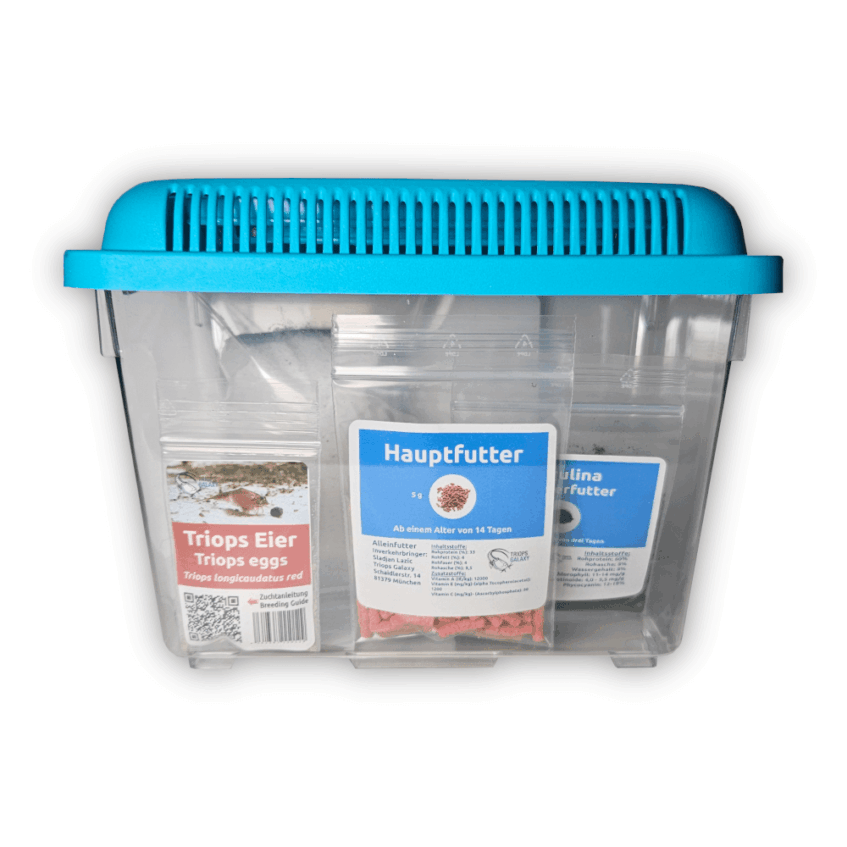
- 1 x egg-sand mixture (breeding stock)
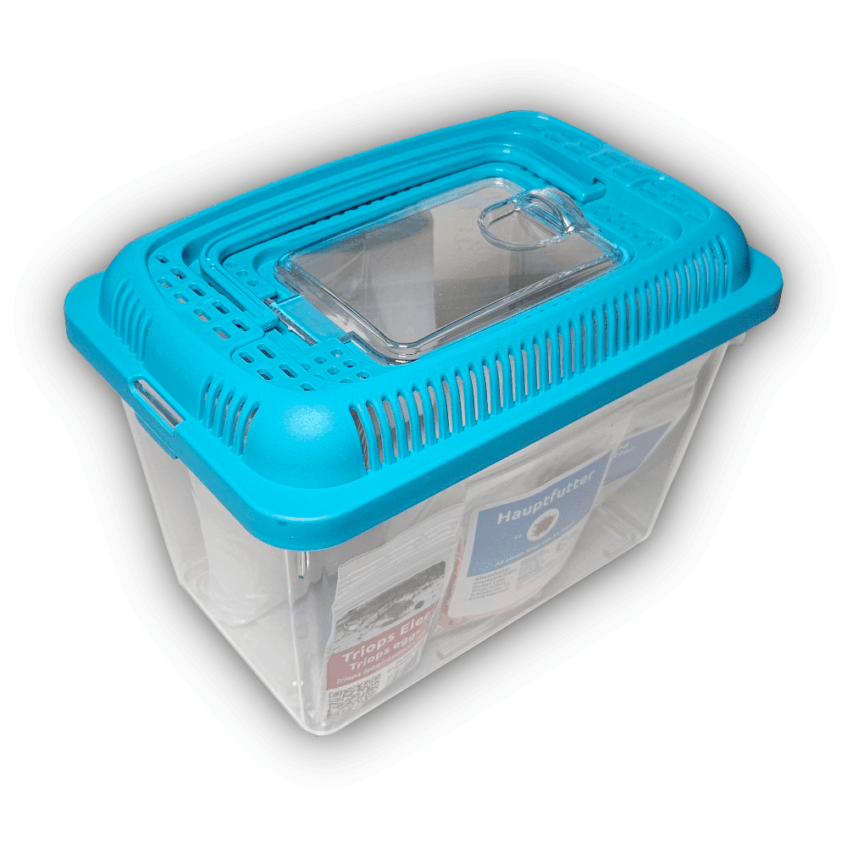
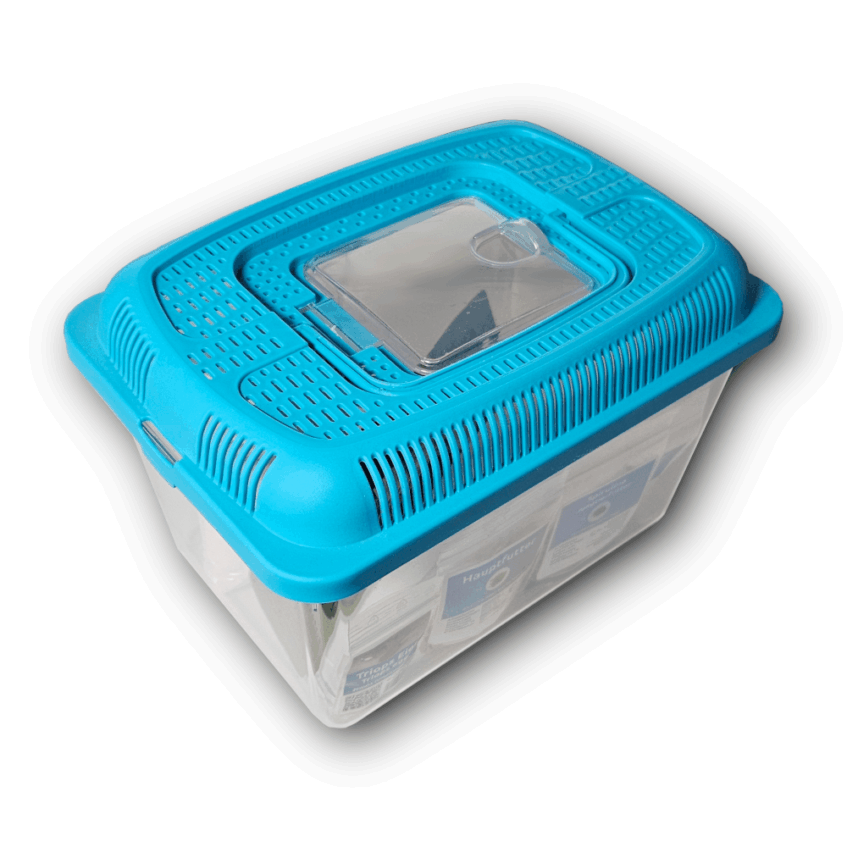
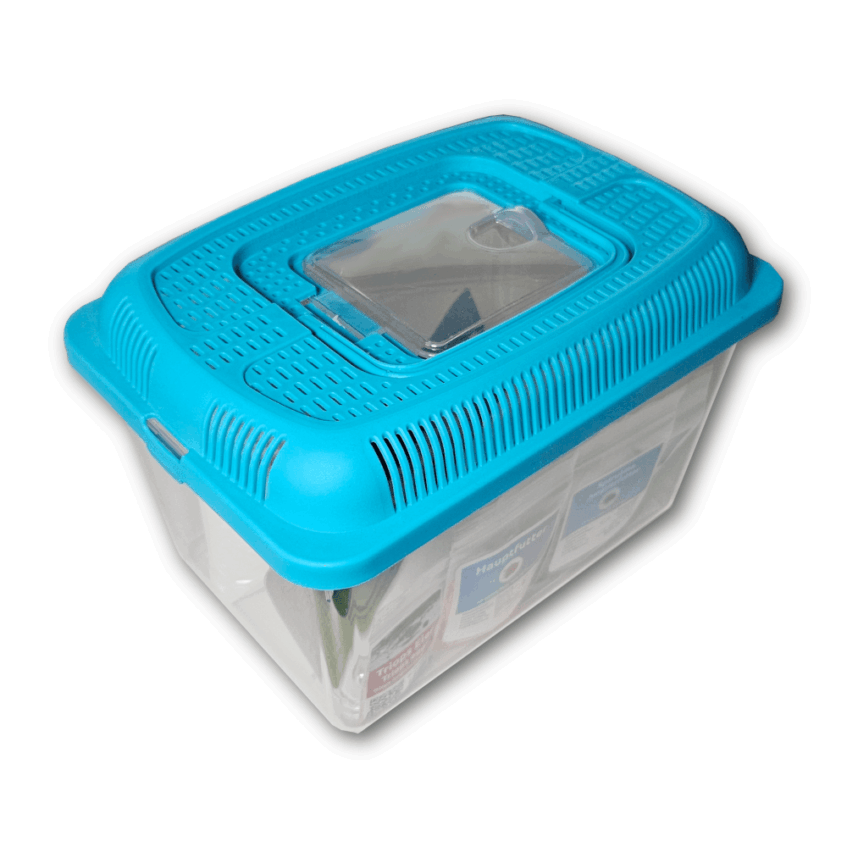
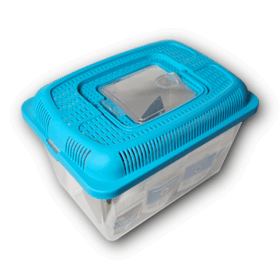
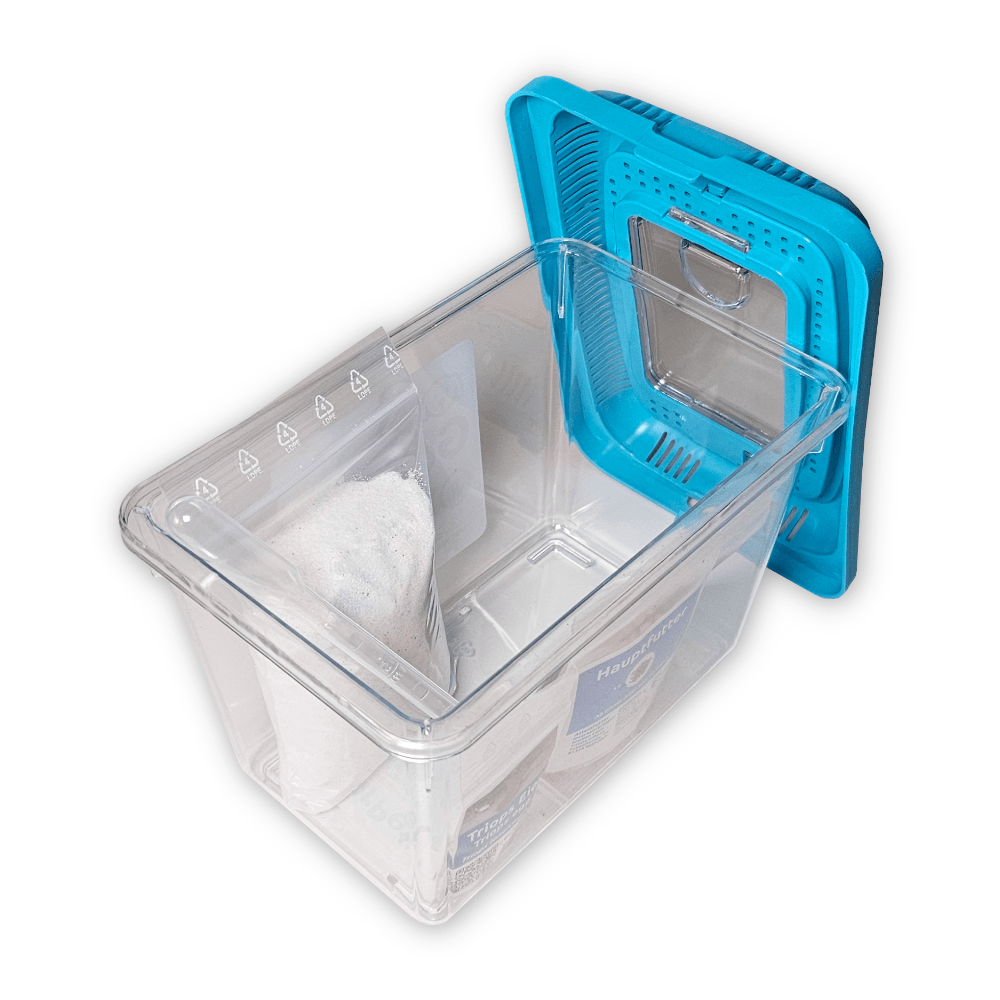
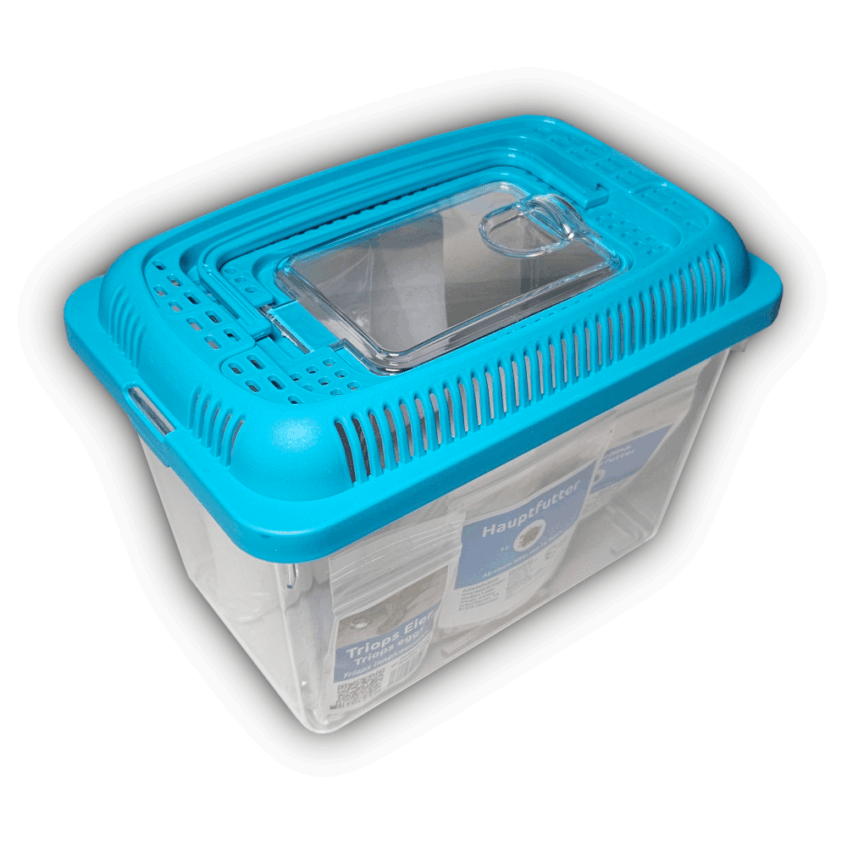
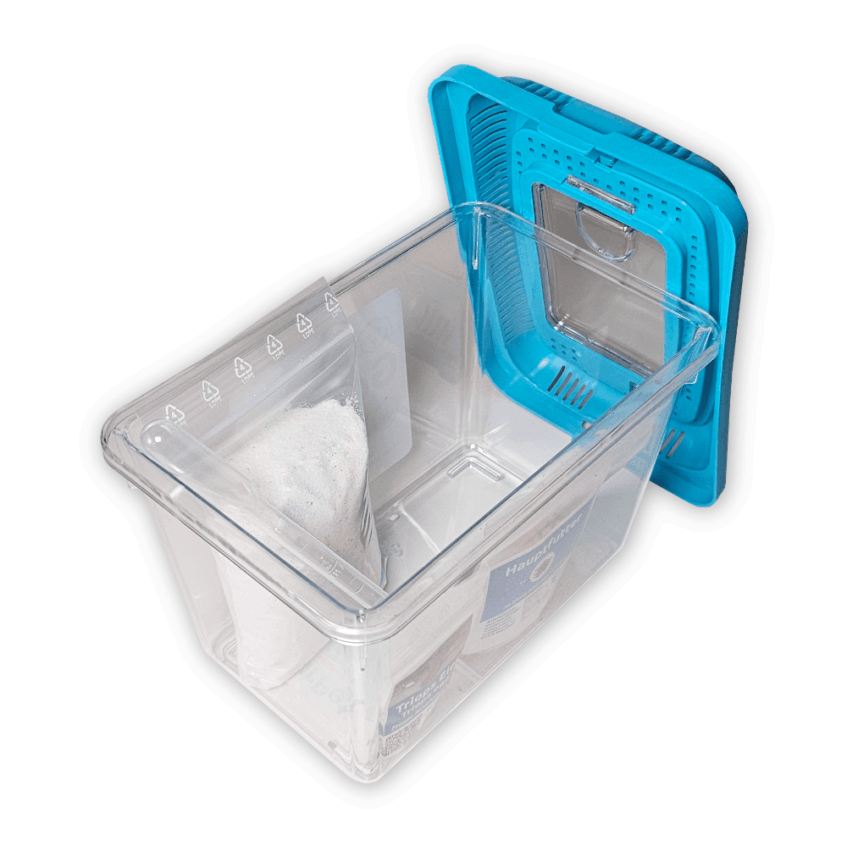
- 1 x Faunabox 18 x 12 x 13 cm with integrated carrying handle, lockable feeding hatch and sufficient air circulation
- 1 x pipette for cleaning
- 1 x sachet of main food
- 1 x sachet of spirulina powder (young animal food)
- 1 x sachet of aquarium sand (gravel), 200 g
- The breeding instructions are deliberately not included in paper form. You will receive exclusive access to our digital breeding instructions. Simply scan the QR code on the label or CLICK HERE! On request, we will send you a printed copy of the instructions free of charge. Please indicate this in the comments section when placing your order.
Sustainable, efficient and reusable time and time again
A particular advantage of breeding triops lies in their sustainability. Unlike with many other pets, there is no long-term maintenance required, whilst at the same time a complete biological cycle can be observed. The dormant eggs contained in the sand make it possible to restart the breeding process time and time again – without the need to buy more, provided there is sufficient material available. This makes the set not only cost-effective, but also resource-efficient and ideal for recurring projects or experiments.
Furthermore, the breeding process can be flexibly integrated into everyday life. The care required is manageable, whilst the educational and observational value remains exceptionally high. For children in particular, a tangible link is created between theory and practice: they not only see how life begins, but also understand concepts such as growth, reproduction and adaptation to environmental conditions.
A fascinating nature experience for the home
Observing Triops longicaudatus offers far more than just entertainment. It combines knowledge, responsibility and wonder in a way that has become rare in today’s digital world. Every stage of development – from the barely visible nauplius to the fully grown adult – becomes a little adventure that sparks curiosity and leaves a lasting impression.
Whether as a family project, an exciting classroom activity or a personal hobby: breeding Triops provides a connection to nature that is at once simple, intense and lasting.