



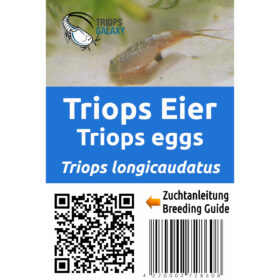
 Triops Longicaudatus
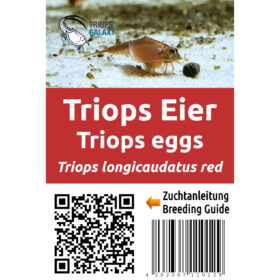 Triops Longicaudatus Red
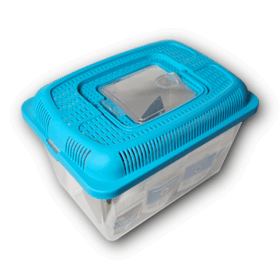 Triops Longicaudatus
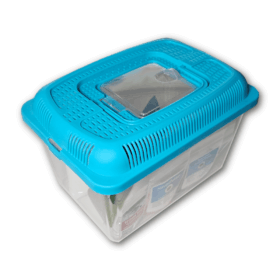 Triops Longicaudatus Red
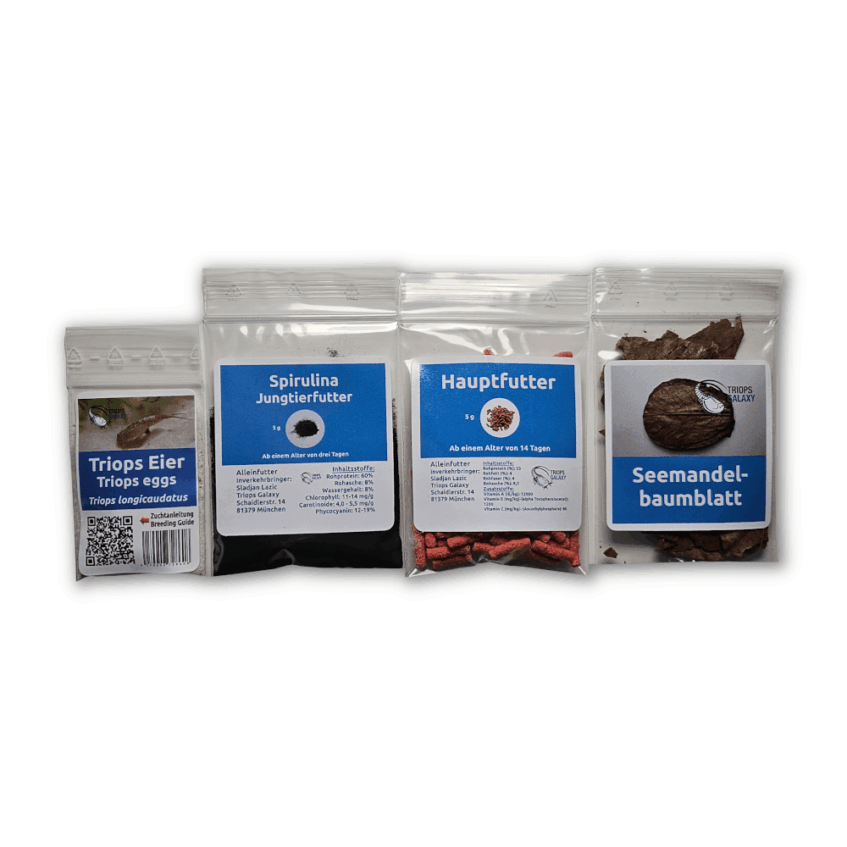
 Triops food
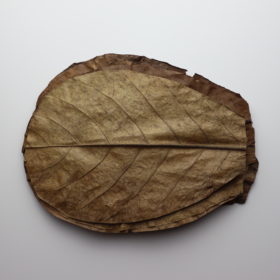 Sea almond leaf
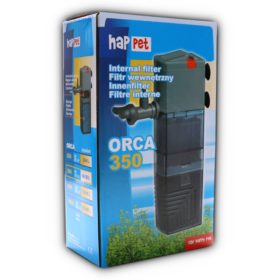 Aquarium filter
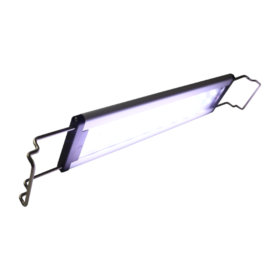 Lighting
 Substrate
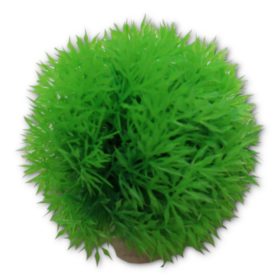 Decoration
 Heating
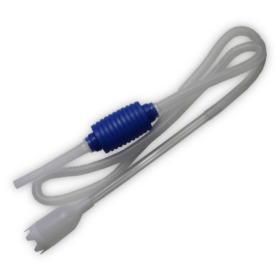 Cleaning
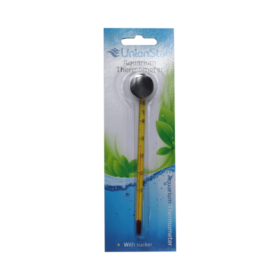 Thermometer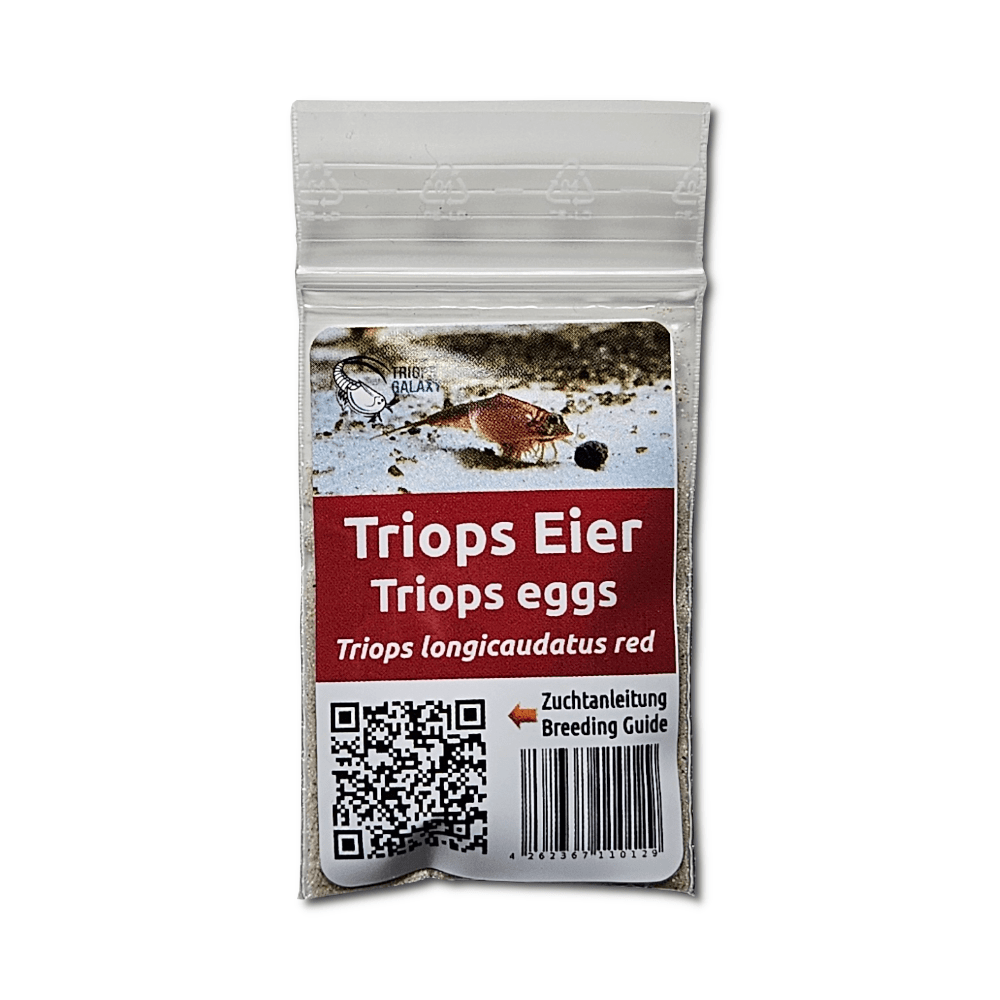
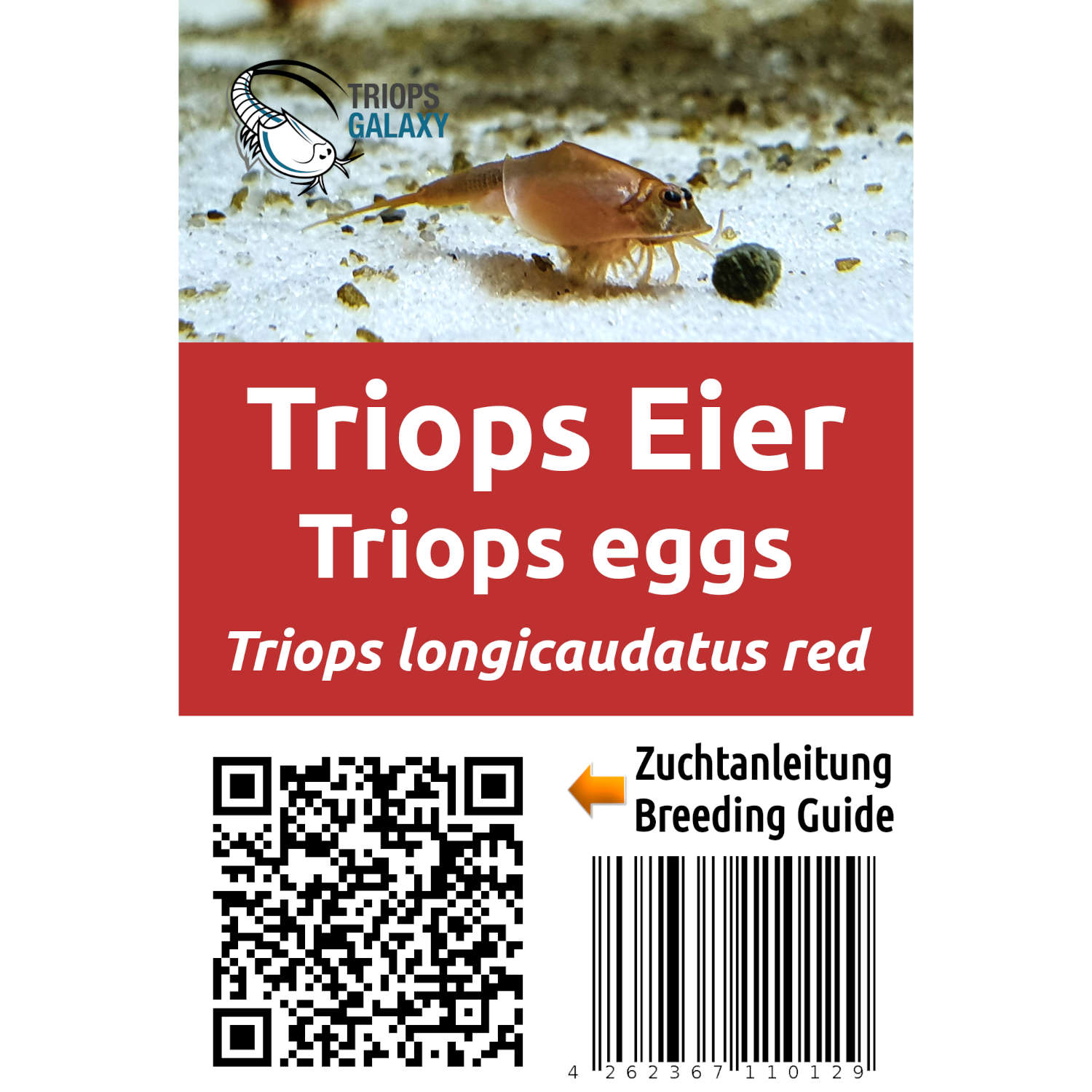
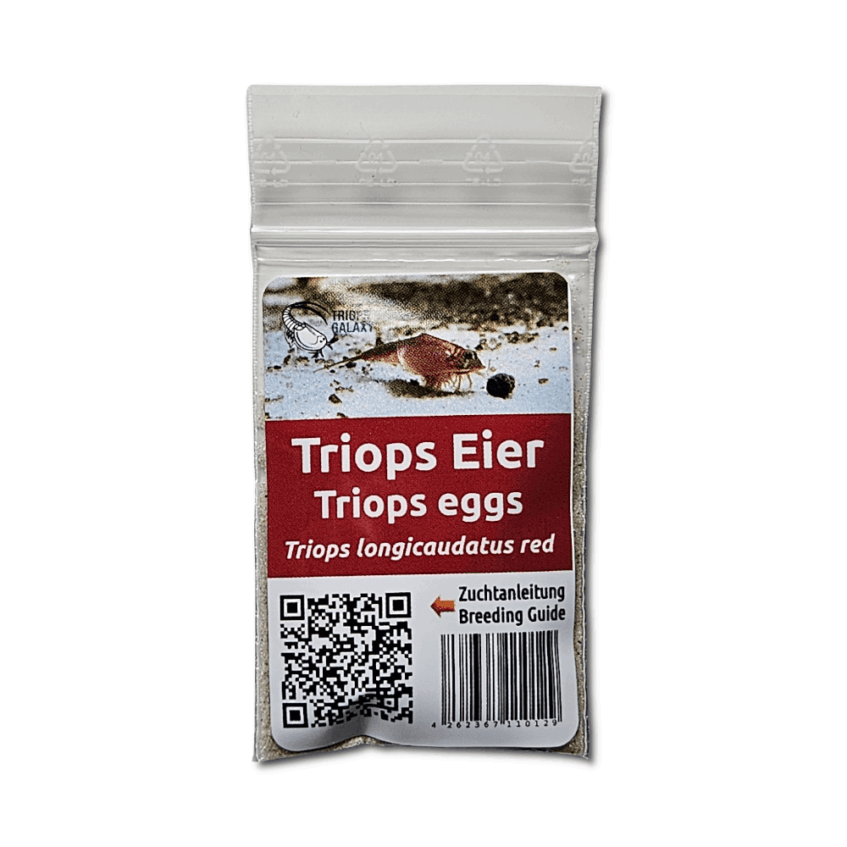
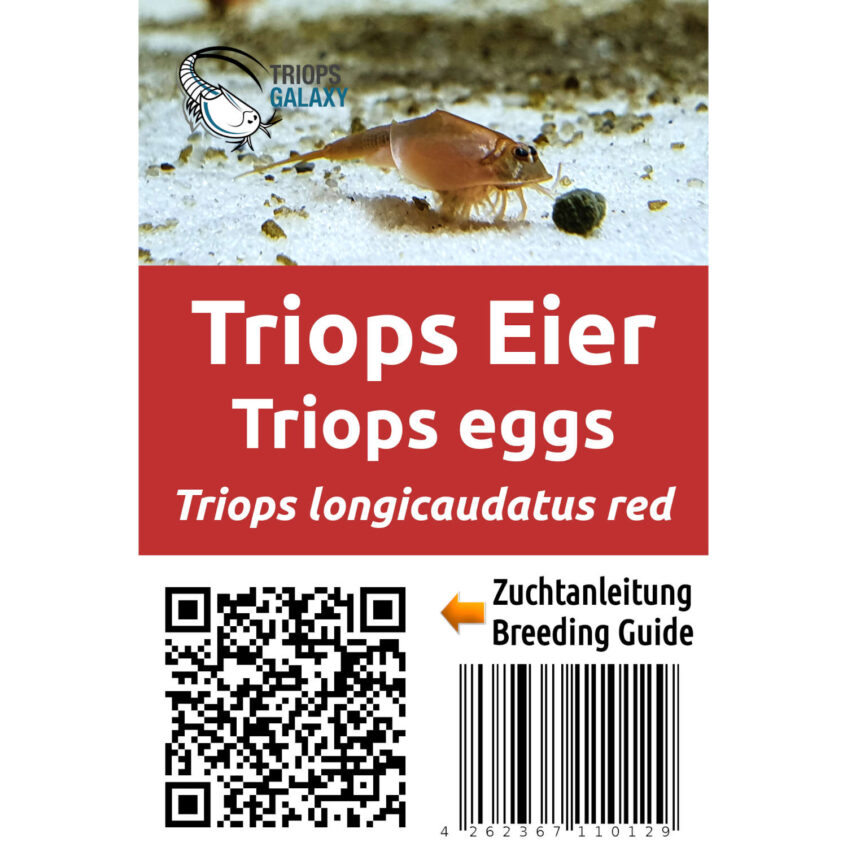
A genetic marvel from prehistoric times
Prehistoric crustaceans fascinate us with their extraordinary history, their remarkable resilience and their astonishingly rapid life cycle. With the Triops longicaudatus Red – egg and sand mix, this journey begins the moment the first hatchlings emerge, offering both children and adults a unique insight into the world of these so-called ‘living fossils’.
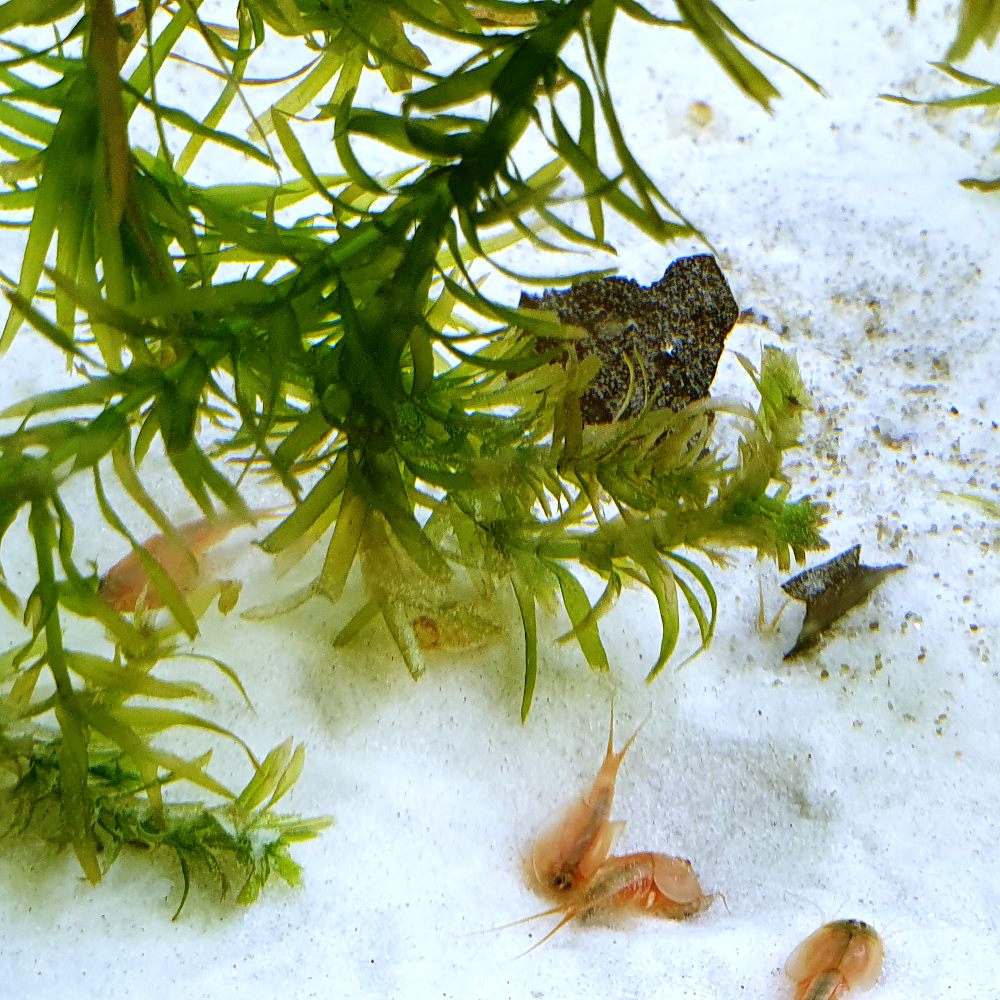
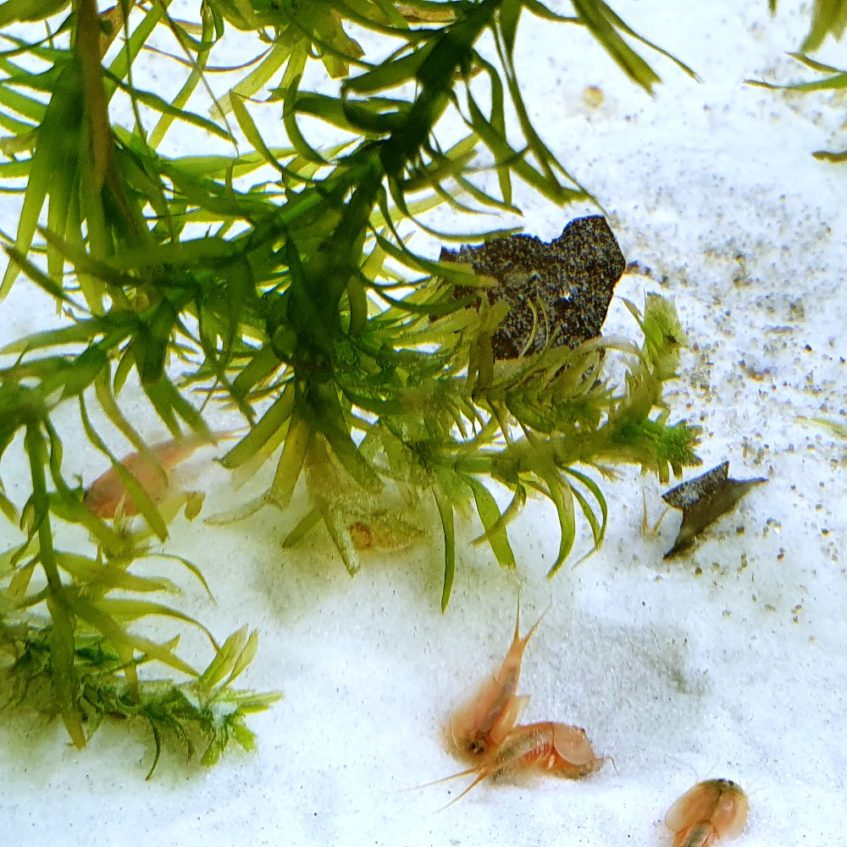
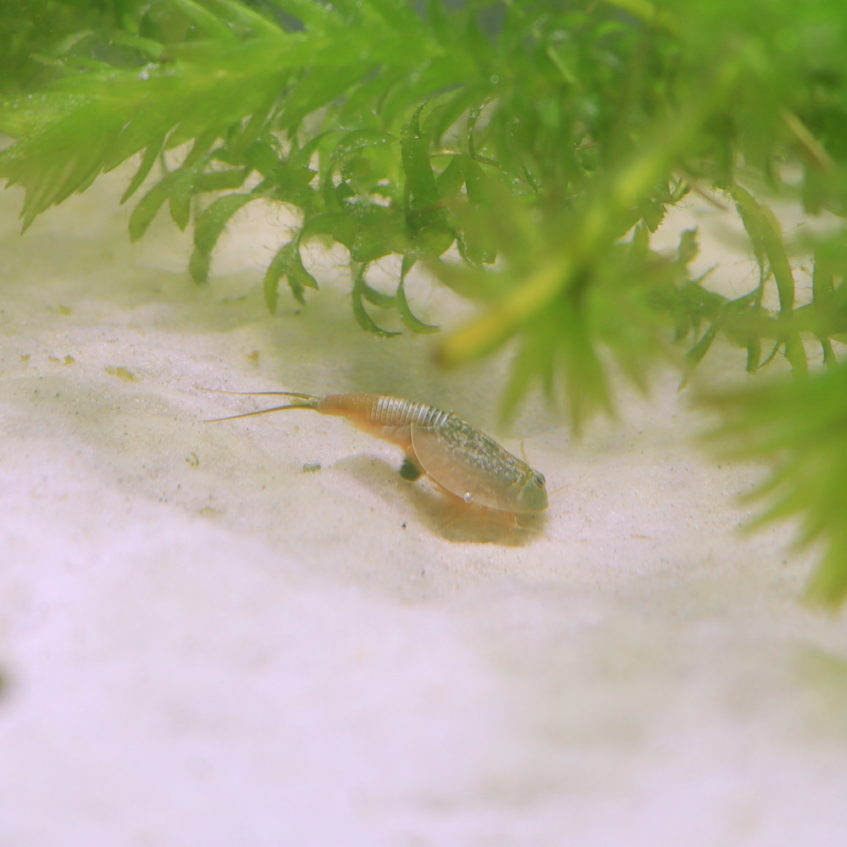
The Triops longicaudatus Red is one of the rarest and most fascinating variants among the Triops species. Its striking red colouring is the result of a genetic mutation (albino form), which makes the red colour of the blood visible. This variant exists exclusively in aquarium breeding and does not occur in the wild. It is precisely this fact that makes it particularly interesting for breeders, observers and educational institutions. As it is closely related to the classic Triops longicaudatus, both forms can be kept together in an aquarium without any problems.
After around 14 days, the females reach sexual maturity and begin to bury their eggs in the substrate. This mixture of eggs and sand forms the basis for ever-new generations: once the animals have reached the end of their natural life, the sand can be dried, frozen and reused for breeding at a later date. A fascinating biological cycle that has functioned virtually unchanged for millions of years.
Thanks to the rapid growth of the Triops, the aquarium changes almost daily. From the barely visible nauplius to the fully grown prehistoric crustacean, you can observe the stages of development up close – there’s certainly no chance of getting bored. Triops longicaudatus Red thrive particularly well at temperatures around 25 °C and are easy to breed, for example using distilled water, still mineral water or suitable natural water.
Guaranteed quality through individually counted eggs
A key difference in quality with this breeding method lies in the careful counting of the eggs. The Triops eggs contained are counted individually by hand, ensuring that the stated number of eggs is guaranteed and not merely an estimate. This enables predictable, transparent breeding and offers a high degree of certainty and confidence, particularly for beginners, schools and responsible breeders.
Who is this breeding kit suitable for?
The Triops longicaudatus Red breeding kit is suitable for both beginners and experienced breeders. It is particularly popular with families with children (under supervision), those interested in science, and in schools and educational institutions, as it provides a vivid way of teaching biological concepts such as development, reproduction and life cycles.
Embark on your own journey through Earth’s history and experience, together with your children or pupils, how prehistoric life emerges from unassuming eggs – right in your own home.
Sustainable, efficient and reusable
A key advantage of breeding triops lies in their closed, natural cycle. Unlike traditional pets, they do not require ongoing care over many years, yet you can still witness their entire life cycle. The dormant eggs contained in the substrate are designed to survive dry periods and hatch again when water is added. This means the breeding process can be repeated as often as desired – without the need for further purchases, provided there is sufficient substrate containing eggs.
This principle makes the breeding approach not only economically attractive but also particularly resource-efficient. Packaging materials, transport distances and additional consumption are reduced, as a cycle once started can be used over a long period. This results in sustainable added value, particularly for recurring breeding projects, experiments or use in the educational sector.
At the same time, keeping triops is appealing because it’s so easy to manage in everyday life. The care required remains manageable and easy to plan, whilst the opportunities for observation and learning are exceptionally high. Just a few minutes of daily attention are enough to actively monitor the animals’ development. This provides children in particular with direct access to nature: they not only witness the animals hatching, but also come to understand fundamental biological processes such as growth, reproduction, moulting and adaptation to environmental conditions.
A fascinating nature experience for the home
Rearing Triops longicaudatus is far more than just an entertaining experiment. It combines knowledge, responsibility and genuine wonder in a way that has become rare in our digital everyday lives. Every stage of development – from the tiny, barely visible nauplius to the fully formed prehistoric crustacean – becomes a tangible experience.
This gives rise to a special form of observation: calm, focused and yet exciting. Changes in behaviour, growth and interaction with the environment can be tracked on a daily basis, fostering a lasting interest in nature and science.
Whether as a family project, a hands-on element in the classroom or a personal hobby – breeding Triops offers an accessible introduction to prehistoric life. It is easy to set up, provides an immersive experience and, thanks to its reusability, offers long-term benefits that extend far beyond the first breeding cycle.
“Triops longicaudatus Red” fact sheet:
Phylum: Arthropods (Arthropoda)
Subphylum: Crustaceans (Crustacea)
Size: 5 to 7 cm
Life expectancy: approx. 60 to 90 days
Habitat: freshwater
Temperature: 25 to 28° C
Scope of delivery:
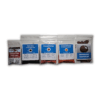
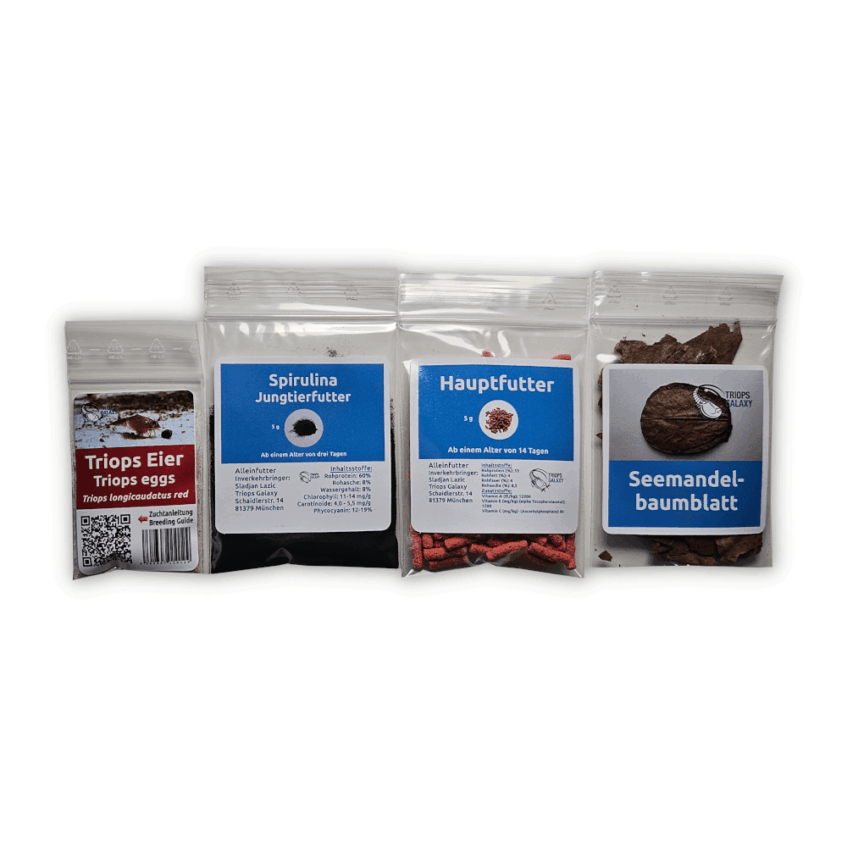
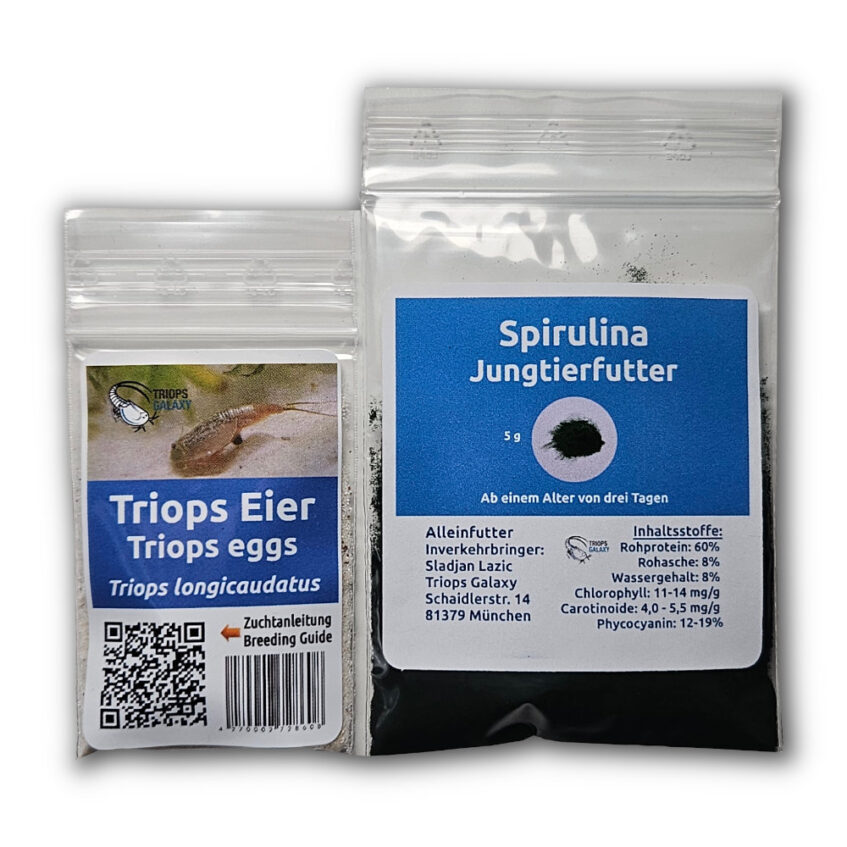
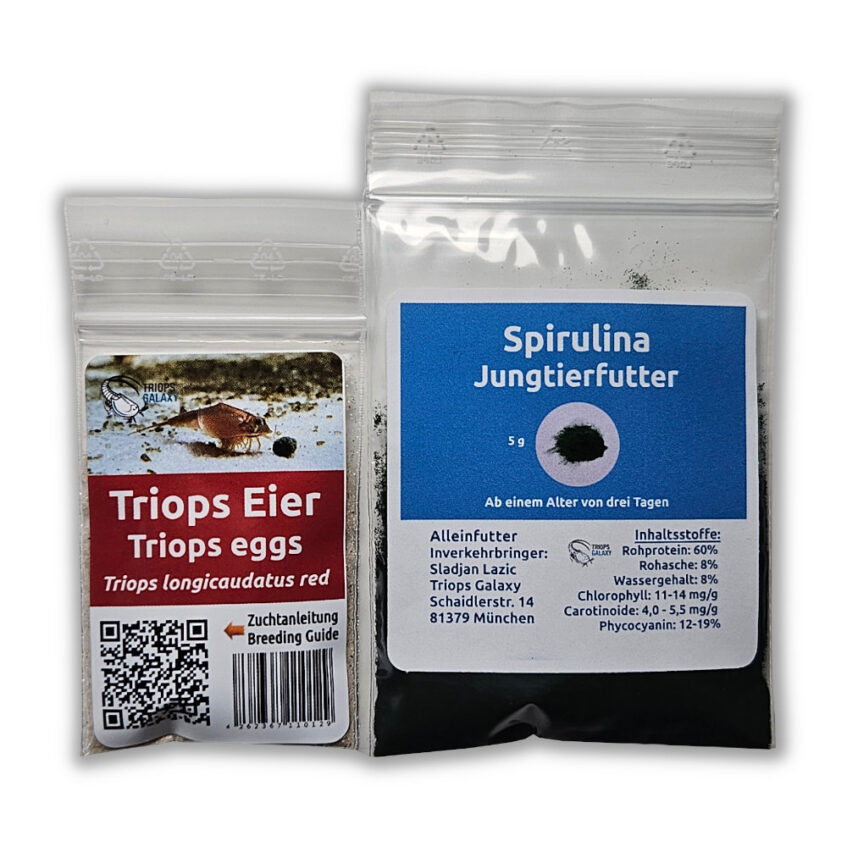
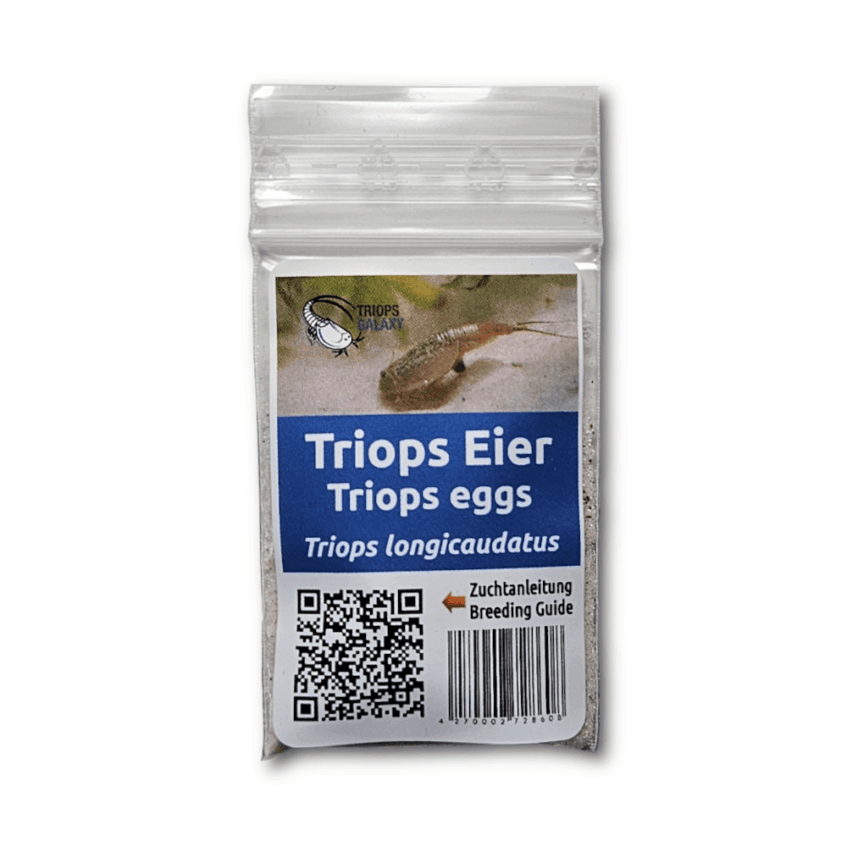
- 1 x Egg-sand mixture (breeding stock)
- The breeding instructions are deliberately not included in paper form. You will receive exclusive access to our digital breeding instructions. Simply scan the QR code on the label or CLICK HERE! On request, we will send you a printed copy of the instructions free of charge. Please indicate this in the comments section when placing your order.


Reviews
There are no reviews yet.